

The Ultimate 5-Day Northern Ireland Road Trip Itinerary
5-Day Journey Curated by Belfast Tours NI For Northern Ireland Self Drive
Written by Murat Yilmaz
Last updated: January
Table of Contents
Planning your first adventure to Northern Ireland? This guide gives you the perfect, ready-to-use road trip itinerary covering the region’s most breathtaking landscapes, historic landmarks, Attractions, coastal gems, and hidden local favourites.
Inside this Northern Ireland Road Trip itinerary, you’ll find daily routes, must-see attractions, top photo spots, hotel recommendations, food tips, and plenty of insider advice to help you experience Northern Ireland Road Trip like a local.
Whether you’re exploring dramatic coastlines, ancient castles, or vibrant cities, this itinerary brings together the very best of what makes Northern Ireland unforgettable. Let’s hit the road!
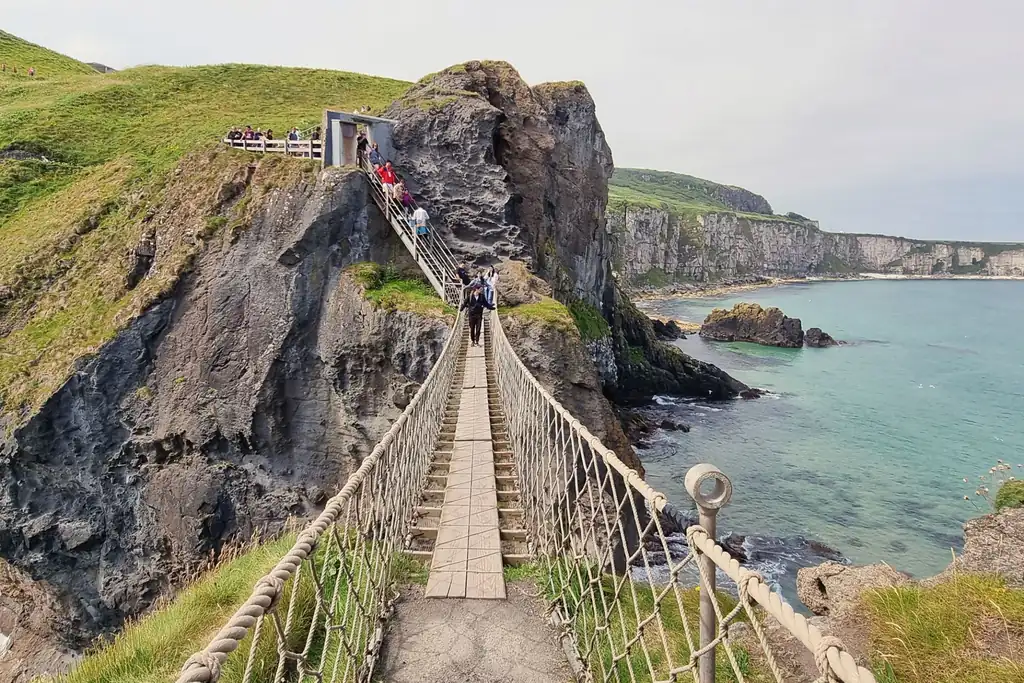
Northern Ireland may be a small country on the map, but it delivers an extraordinary travel experience that rivals any destination in Europe. Nowhere is this more evident than along the North Antrim and Causeway Coast—a region shaped by ancient volcanic forces, carved by the wild Atlantic Ocean, and celebrated for its cinematic beauty.
Towering cliffs, rugged headlands, emerald fields, and villages steeped in legend all come together to form one of the most spectacular coastal journeys in the world.
But Northern Ireland’s magic goes far beyond its landscapes. This is a place where ancient history meets vibrant modern culture, where storytelling is woven into everyday life, and where visitors are welcomed with the warmth and generosity that our region is famous for.
Over the course of my 26 years of self-expression, I have consistently observed that people are exceptionally friendly, making them the most welcoming individuals I have encountered in Europe.
If you’re looking for an experience that feels both timeless and refreshingly alive, head to the north! You’ll find everything from medieval castles and Game of Thrones filming locations to world-class distilleries and traditional music sessions. Trust me, it’s a must-visit!
At Belfast Tours NI, we specialise in crafting immersive, flexible, and deeply personalised private tours that allow travellers to connect with the real Northern Ireland.
With over two decades of local expertise, we take pride in showing guests not just the famous attractions, but also the hidden gems—quiet viewpoints, charming villages, family-run cafés, and stories that never make it into guidebooks. Our guests don’t simply visit Northern Ireland; they live it.
That’s why this premium 5–Day Northern Ireland Road Trip itinerary brings together the very best our region has to offer:
Breathtaking coastal scenery,
Luxury handpicked accommodations,
Award-winning culinary highlights,
Unforgettable cultural experiences,
and some of the world’s most iconic film and TV locations.
Every moment is carefully curated with insider knowledge only a passionate local guide can provide. Whether you’re travelling for dramatic photography, scenic coastal drives, authentic heritage, or a mixture of everything, this road trip reveals the true character—and the true beauty—of Northern Ireland.
Are you ready for an adventure of a lifetime? Embark on a journey to a land of legends, breathtaking landscapes, and captivating stories. Whether you prefer guided tours with Belfast Tours NI or the freedom to explore on your own, renting a car is the perfect way to make this dream come true.
Follow Us for Tour Updates & Travel Inspiration
Follow us for travel inspiration, local insights, and real moments from our private tours across Northern Ireland. Stay updated with new experiences, seasonal highlights, and guest stories.
About Belfast Tours NI

Belfast Tours NI is a local tour company for travellers who want a personal, relaxed way to explore Northern Ireland, offering private tours, tailored itineraries, and local insight to help you plan a memorable visit.
Here are some of the car rental options available.
Top Recommended Car Rental Companies in Belfast
Great for Airport Pickups & Long Trips
Hertz Belfast International – Highly rated with excellent service and a wide range of vehicles, ideal if you’re flying into Belfast International Airport.
SIXT Car & Van Hire – Belfast City Airport – Strong ratings and multiple vehicle classes; great if you want to start your road trip right after landing.
Enterprise Car Hire – Belfast International Airport – Highly rated with good customer service and many pick-up/drop-off locations, including the airport.
National Car Rental – Belfast City Airport – A trusted global brand with easy airport access and competitive pricing.
DAY 1 – Northern Ireland Road Trip - Discover Belfast, History, Culture and a Modern Revival
St George’s Market (Fri–Sun) – Local Flavours & Artisan Charm
Your first visit on this epic Northern Ireland road trip is the St George’s Market. I highly recommend starting your day with a visit to St George’s Market. You can grab a delicious breakfast while exploring the vibrant market.

St George’s Market is a true gem in Belfast, one of the city’s oldest and most beloved spots. Built in the 1890s, this Victorian market is a vibrant hub that brings together farmers, bakers, artists, fishmongers, and craftsmen from all over Northern Ireland.
The air is filled with a delightful mix of freshly baked bread and the lively sound of traditional music, creating an atmosphere that’s both welcoming and lively.
With over 250 stalls to explore, there’s something for everyone. From handmade jewellery and stunning Irish artwork to delicious local cheeses, hearty cooked breakfasts, fresh seafood, beautiful flowers, and sweet treats, St George’s Market is a shopper’s paradise.
And let’s not forget the chance to indulge in some classic Belfast bites that are sure to tantalise your taste buds.
Soda farls
Potato bread
Belfast baps
Fresh oysters from local waters
Whether you’re craving a delicious brunch, seeking a unique souvenir, or simply wanting to immerse yourself in the local vibe, St George’s Market is an absolute must-visit during your visit in Belfast.
Regular Weekend Opening Hours
Friday: 8:00 am – 2:00 pm (Variety Market)
Saturday: 9:00 am – 3:00 pm (City Food & Craft Market)
Sunday: 10:00 am – 3:00 pm (Sunday Market)
The market runs Friday through Sunday each week with fresh produce, crafts, food stalls, and live music making it one of Belfast’s most vibrant weekend experiences.
Quiet Hours:
If you prefer a calmer experience, there are quieter times each day when music is turned down — 9 – 10 am on Friday and Saturday, and 10 – 11 am on Sunday.
Address for St George’s Market in Belfast.
12 – 20 East Bridge Street,
Belfast BT1 3NQ, United Kingdom.
It’s located right opposite the Waterfront Hall in the city centre and can be accessed from Oxford Street, May Street, or East Bridge Street.
Titanic Belfast Museum – A World-Class Journey Into History
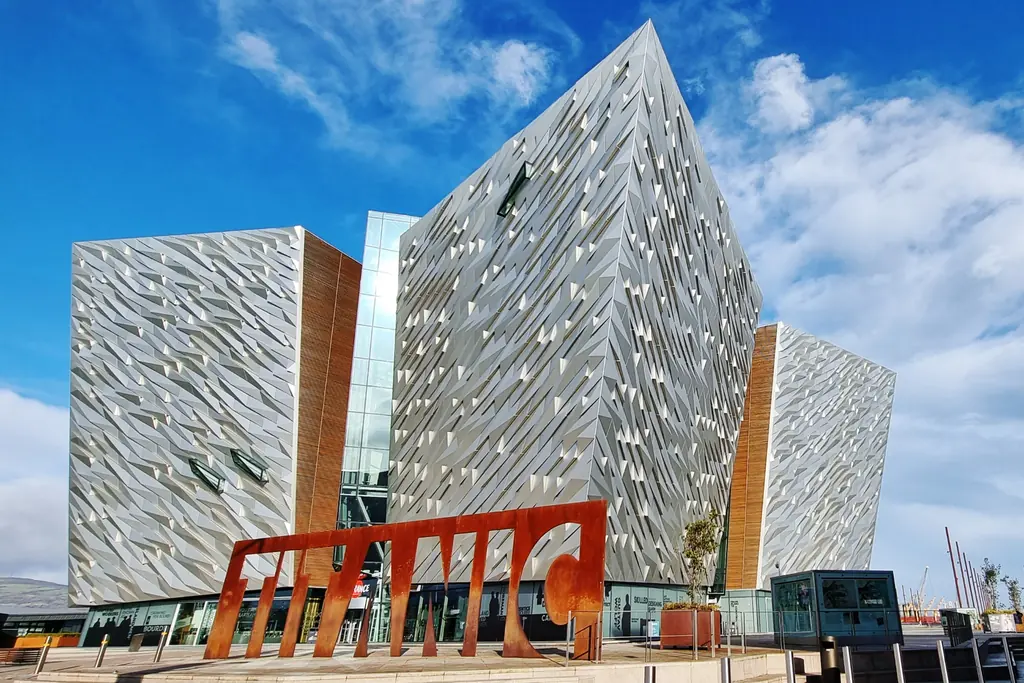
Your next stop on this epic Northern Ireland road trip is the Titanic Museum. Titanic Belfast is not just a museum; it’s an immersive experience that takes you right back to the spot where the legendary ship was conceived, designed, and launched.
As you stand in front of the building, you’ll be mesmerised by its striking, iceberg-inspired architecture. Each shard of aluminium cladding reflects the light like a giant sculpture, creating a breathtaking sight.
The structure itself is the same height as the Titanic’s hull, giving you a powerful sense of scale before you even step inside the museum.
Across its nine interactive galleries, you’ll embark on a journey through Belfast’s industrial boom, witness the shipyard’s engineering brilliance, and learn about the personal stories of those who built, boarded, and sailed on RMS Titanic.
Prepare to be captivated by sensory soundscapes, recreated Victorian shipyard scenes, touch-screen archives, and a unique “Shipyard Ride” that takes you on a thrilling adventure through the construction process. It’s an emotional, informative, and beautifully curated experience that will leave you spellbound.
After your visit, head to the Titanic Slipways—the very ground where the Titanic first met the water in 1911. The outlines of the ship are marked on the ground, allowing you to walk the full length of the vessel. It’s one of the best photo locations in Belfast and creates a poignant connection between the past and the present.
Seasonal Opening Times (2025)
January – March: Daily 10:00 am – 5:00 pm
April – May: Daily 9:00 am – 6:00 pm
June: Daily 8:30 am – 7:00 pm
July – August: Daily 8:30 am – 7:30 pm
September – October: Daily 8:45 am – 6:00 pm
November – December: Daily 9:45 am – 5:00 pm
Last admission to the Titanic Experience is about 1 hour 40 minutes before closing each day.
Note: Hours can vary slightly on special dates and at peak times, so it’s always best to double-check before you visit.
Find out more or book your tickets>>>
The address for Titanic Belfast is 1 Olympic Way, Queen’s Road, Titanic Quarter, Belfast, Northern Ireland, BT3 9EP
Cathedral Quarter – Belfast’s Cultural & Creative Soul

Your next visit on the day one Northern Ireland Road Trip Itinerary Just a short stroll from the city centre is the Cathedral Quarter, a vibrant and charming district bursting with character.
You can either walk from Titanic Museum or take a black cab just outside front of the museum.
It’s Belfast’s most atmospheric neighbourhood, filled with alleyways lined with murals, cobbled streets buzzing with pubs, street art, galleries, and independent eateries. It’s the kind of place where live music spills out of doorways and hidden courtyards come alive at night.
Here are two of the most photographed spots in the area.
Umbrella Street, a colourful overhead canopy that changes with the seasons. It’s like a giant umbrella that protects the streets from the rain and adds to the area’s charm.
Duke of York Alley, decorated with vintage signage, fairy lights, and murals celebrating Belfast’s musical heritage. It’s a hidden gem that’s sure to capture your heart.
The area around St Anne’s Cathedral offers a delightful blend of old and new architecture. And nearby, you’ll find The MAC arts centre, a hub for theatre, dance, film, and creative exhibitions.
Whether you’re in the mood for a relaxing coffee, a chance to discover local art, or a cozy pub to enjoy traditional Irish music, the Cathedral Quarter is the perfect place to immerse yourself in Belfast’s creative spirit.
If you’re in the area, I highly recommend visiting St. Anne’s Cathedral. It’s a beautiful place!
If you’re looking for a delicious lunch, you’ve come to the right place. The Cathedral Quarter is home to some fantastic food options.
Top Picks for a Classic Lunch
Coppi – Highly recommended Italian restaurant in St Anne’s Square with delicious lunch options, including cicchetti and a great value midday menu.
Bank Square Brasserie – Stylish modern European spot ideal for a leisurely lunch in historic surroundings.
2 Taps Wine Bar – Tapas and small plates with a lively atmosphere — great for sharing and sampling lots of flavours.
More Casual & Fun Options
The Dirty Onion and Yardbird – Classic Irish pub with hearty lunches, craft beers, and outdoor seating in good weather.
The Northern Whig – Bar & grill with a varied lunch menu — perfect for pub classics and lighter bites.
Dumpling Library – Pan-Asian lunch options in St Anne’s Square — fun flavours and casual vibe.
Yügo – Excellent Asian fusion spot with fresh lunch plates.
Other Lovely Lunch Spots
44 Hill Street – Modern French-inspired restaurant with seasonal menus.
Home Restaurant Belfast – Classic modern European fare — classy and unfussy.
House of Zen – Chinese restaurant with casual lunch options right in St Anne’s Square.
The Muddlers Club Restaurant – Michelin-level fine dining (more upscale — reservations recommended).
Tips for Lunch in Cathedral Quarter
St Anne’s Square is a hub of great lunch spots, cafés, and outdoor seating — perfect on sunnier days.
For something more social and casual, the Common Market food hall nearby offers loads of vendors if you want variety from wings to burgers.
Following lunch, you can continue your day with a Black Taxi Tour, which will allow you to explore the Peace Walls and Murals. This tour offers a powerful narrative of Belfast’s past and present.

The Peace Walls are among the most significant and thought-provoking landmarks in Northern Ireland. Originally constructed during the Troubles to segregate communities, many of these walls still stand today, stretching for miles across West Belfast. What once symbolised division is now adorned with murals, messages of hope, and signatures from visitors from around the world.
If you’re looking to learn more about the fascinating murals on the Falls Road and Shankill Road, I highly recommend booking a tour with Black Taxi Tour. Your guide will take you on a journey through history, sharing personal stories and political insights.
They’ll also explain the deep meanings behind these powerful artworks, which pay tribute to peace activists, civil rights leaders, and the victims of conflict. It’s a truly moving experience that will leave you with a deeper understanding of these iconic areas.
Visiting the Peace Walls offers a profoundly educational experience that enables travellers to comprehend Belfast’s transition from conflict to peace and the enduring sense of community that exists in the present day.
Belfast Castle ( Optional)

Perched on the slopes of Cave Hill, Belfast Castle offers panoramic views over Belfast Lough and the city below. Built in the 19th century, this historic landmark is surrounded by beautifully landscaped gardens, woodland walks, and scenic trails.
Visitors can explore the castle grounds, enjoy the peaceful setting, and relax at the on-site café or restaurant. Belfast Castle is a popular stop on any Northern Ireland Road Trip, ideal for photography, short walks, and learning about the city’s history.
Belfast Castle Opening Hours
Castle & Visitor Centre:
Tuesday to Saturday: 9:00 AM – 9:00 PM
Sunday & Monday: 9:00 AM – 6:00 PM
(Times may vary if there’s a private event such as a wedding)
Tavern Coffee Shop:
Daily: 10:00 AM – 5:00 PM
Cellar Restaurant:
Tuesday–Thursday: 12:00 PM – 7:00 PM
Friday & Saturday: 12:00 PM – 8:00 PM
Sunday: 12:00 PM – 6:00 PM
Monday: Closed
Cave Hill Visitor Information Centre:
Sunday & Monday: 9:00 AM – 5:30 PM
Tuesday–Saturday: 9:00 AM – 8:30 PM
Cave Hill Adventurous Playground & Grounds:
Opens from 7:30 AM daily (closing times vary with daylight).
Tips
The castle grounds and estate are generally open every day, but access to specific indoor areas can be limited during private events.
Always check the official site or call ahead before visiting, especially if you plan to dine or explore specific facilities.
Stormont Estate – Scenic Walks & Historic Grandeur ( Optional)
Stormont Estate, one of Belfast’s most refined open spaces, boasts an impressive mile-long avenue leading to the Northern Ireland Parliament Buildings. This striking neoclassical structure is situated amidst rolling green lawns, making it a popular destination for photographers, joggers, families, and visitors seeking a tranquil escape from the urban environment.

The estate encompasses a variety of attractions, including picturesque woodland trails, concealed gardens, children’s play areas, picnic spots, lakes, and viewpoints that offer panoramic views of East Belfast. Additionally, the grounds are adorned with sculptures and memorials, each commemorating distinct chapters of Northern Ireland’s historical narrative.
Whether traversing the grand avenue, venturing into the shaded forest paths, or simply relaxing on the lawns, Stormont Estate provides an oasis of tranquility and scenic splendour, conveniently located within minutes of the city centre.
Opening Hours (General Guide)
Stormont Estate Grounds: Open daily, typically from dawn until dusk
Parliament Buildings: Access and guided tours vary by day and availability (advance booking recommended)
Tip: The estate is free to enter and ideal for walking, picnics, and short stops during a Belfast itinerary.
Top-Recommended Hotels in Belfast
Here are some of my top-notch hotel recommendations for you. Whether you are seeking a luxurious getaway, a charming boutique, or a mid-range option, I have curated a selection that caters to your preferences.
Whether you are visiting for sightseeing, cultural experiences, or business purposes, Belfast offers a diverse range of accommodations to suit every occasion.
Luxury & Highly Rated Hotels
Premium options with exceptional comfort and service
The Merchant Hotel – Belfast’s most iconic 5 Star hotel in the Cathedral Quarter, known for luxury rooms, elegant design, and superb dining.
Grand Central Hotel Belfast – Stylish upscale choice near the city centre with panoramic views and a popular sky bar.
The Fitzwilliam Hotel Belfast – Boutique-style luxury with contemporary flair near Great Victoria Street.
Hilton Belfast – Reliable 4 Star option with modern rooms and excellent amenities. Stylish Boutique & Mid-Range
Unique character stays close to shops, nightlife, and attractions
Bullitt Hotel – Fun, design-forward hotel with a lively atmosphere and great food/drink on site.
Malmaison Belfast – Trendy converted warehouse hotel in the Cathedral Quarter with bold interiors.
DoubleTree by Hilton Belfast City Ten Square – Comfortable, well-reviewed city centre choice with easy access to major sights.
Benedicts Hotel Belfast – Independent hotel with stylish rooms and a buzzing bar/restaurant perfect for nightlife.
Good Value & Comfortable
Great for sightseeing or longer stays without breaking the bank
Europa Hotel – One of Belfast’s most popular hotels with strong reviews and central location.
Titanic Hotel Belfast – Highly rated hotel in the Titanic Quarter with character and history vibes.
Premier Inn Belfast City Centre (Alfred Street) & Premier Inn Belfast City Cathedral Quarter hotel – Reliable, budget-friendly stays in central locations.
Premier Inn Belfast Titanic Quarter hotel – Good choice near Titanic attractions, ideal for families and history fans.
The Malone Hotel – Boutique-style option near Queen’s Quarter, lovely for exploring parks and local eateries.
Tips for Choosing Where to Stay
Cathedral Quarter: Best for nightlife, restaurants, pubs, and art.
Titanic Quarter: Great for history lovers and families visiting Titanic Belfast.
City Centre: Ideal for general sightseeing and transport links.
Best Northern Ireland Road Trip itinerary For Belfast
1. Titanic Belfast
The world-famous, award-winning attraction is on the exact site where the RMS Titanic was designed and built.
Why visit: Immersive galleries, shipyard replicas, and stunning architecture.
2. Belfast City Hall
A beautiful Baroque Revival landmark in the heart of the city.
Why visit: Free tours, stained-glass windows, historic monuments, and the Titanic Memorial Garden.
3. Peace Walls & Political Murals
The most important cultural and historical experience in Belfast.
Why visit: Learn the story of “The Troubles” through colourful murals, peace gates, and local commentary.
4. Crumlin Road Gaol
A 19th-century prison turned top attraction.
Why visit: Execution chamber, underground tunnel, paranormal stories, and powerful history.
5. St. George’s Market
One of the UK’s oldest covered markets.
Why visit: Local food, handmade crafts, live music, and a great Belfast atmosphere.
6. The Cathedral Quarter
Belfast’s cultural heart.
Why visit: Street art, pubs, nightlife, cobbled lanes, and great dining options.
7. The Albert Memorial Clock
Belfast’s “leaning tower.”
Why visit: Iconic photo stop and a landmark steeped in Victorian history.
8. Botanic Gardens & Palm House
Located in the Queen’s Quarter.
Why visit: Exotic plants, Victorian glasshouse, quiet walks, and close to museums.
9. Ulster Museum
Free entry, world-class exhibits.
Why visit: Dinosaurs, Egyptian mummies, art, natural history, and The Troubles exhibition.
10. Cave Hill & Belfast Castle
A scenic escape overlooking the city.
Why visit: Hiking trails, panoramic views, and a beautiful historic castle.
11. CS Lewis Square
Public art celebrating the Belfast-born author of The Chronicles of Narnia.
Why visit: Seven bronze sculptures including Aslan & The White Witch.
12. The Big Fish (Salmon of Knowledge)
A fun and quirky Belfast icon.
Why visit: Colourful ceramic tiles telling the story of Belfast.
Day 2 — Northern Ireland Road Trip - Causeway Coastal Route: Castles, Cliffs & Seaside Villages, Northern Ireland Scenic Drive
For your Day 2 – Northern Ireland Road Trip, I’d suggest starting your day early, around 8:00 am. This way, you can avoid the morning rush hour in Belfast and save yourself some time stuck in traffic.
Today, let’s set off on an epic adventure along one of the world’s most stunning coastal drives. It’s called the Antrim Coastal Route, and it’s an experience you won’t soon forget. In fact, it’s been ranked as one of the top 5 great road journeys in the world!
As you drive, you’ll pass through charming historic towns, rugged cliffs, sandy beaches, and dramatic headlands. It’s like stepping back in time as you explore these historic sites. You’ll also come across some Game of Thrones famous film locations, so keep your eyes peeled for inspiration.
And let’s not forget the thrilling cliff-edge views and postcard-perfect scenery. It’s a day filled with ancient history, Game of Thrones film locations, and breathtaking natural beauty. Trust me, you won’t want to miss it!
Northern Ireland Road Trip itinerary Day Two
Today’s first stop is Carrickfergus Castle – a mighty Norman stronghold!

Today’s Northern Ireland road trip begins with the breathtaking Carrickfergus Castle, a true gem of medieval architecture and one of the best-preserved castles in Ireland.
Standing proudly on the scenic shores of Belfast Lough for over 800 years, this historic fortress has witnessed centuries of history, from Anglo-Norman conquests to sieges, rebellions, and countless tales of intrigue.
As you explore the castle’s ancient walls, towers, and courtyards, you can almost feel the echoes of the past and imagine life in medieval times. Its strategic position overlooking the lough not only made it a formidable defense point but also offers panoramic views that are perfect for photography or simply soaking in the dramatic coastal scenery.
Whether you’re a history enthusiast, a photographer, or simply someone looking to experience one of Northern Ireland’s most iconic landmarks, Carrickfergus Castle is the perfect first stop to set the tone for an unforgettable road trip adventure.
What Makes It Special
Authentic Medieval Fortress: Walk through thick stone walls, vaulted chambers, narrow staircases, and battlements that once guarded against Scottish, English, French, and even American forces.
Historic Cannons & Defences: Explore the artillery batteries added over the centuries, including impressive cannons overlooking the harbour.
Commanding Coastal Views: The castle sits right on the water’s edge, offering panoramic views across Belfast Lough—perfect for dramatic photos.
A Living Timeline: From Norman knights to Tudor soldiers and WWII defences, each section of the castle reveals a different chapter in Ireland’s history.
What to See
The Gatehouse & Portcullis – The original defensive gateway.
Inner Keep – Climb to the top for sweeping coastal views.
Medieval Great Hall – Imagine banquets and feasts from centuries past.
Castle Walls – Walk along the ramparts for fantastic photography.
Harbour & Waterfront – A lovely stroll around the marina after your visit.
Why It’s Great for Visitors
Carrickfergus Castle is easy to reach—just 20 minutes from Belfast—and ideal for families, history lovers, photographers, and anyone exploring the Antrim Coast. It’s often one of the first major stops on the Causeway Coastal Route, making it a perfect start to your North Coast adventure.
Visitor Information
Last admission: typically 45 mins before closing
Closed:
24–26 December
1 January
Occasional closures for bad weather or maintenance
Here’s the address, opening hours, and ticket info
Carrickfergus Castle: Address: Marine Highway, Carrickfergus, BT38 7BG, United Kingdom
Opening Hours
The castle is open Tuesday to Sunday throughout the year, with seasonal variations in times:
April – September: 09:30 am – 5:00 pm (last admission 4:30 pm)
October – March: 09:00 am – 4:00 pm (last admission 3:30 pm)
Closed on Mondays (except Bank Holidays) and on 24–26 Dec & 1 Jan.
Admission & Tickets
Tickets are purchased on site at the visitor centre — no need to pre‑book online.
Approximate ticket prices:
Adults: £6.00
Children (5–17): £4.00
Children under 5: Free
Concessions (65+, students, etc.): £4.50
Family (up to 5 people): £18.00
Annual passes and group rates also available.
Tips for your visit: Allow 1–2 hours to explore the castle’s battlements, great hall, and waterfront views. There’s also a gift shop and picnic areas nearby if you want to make a longer stop.
Following a visit to Carrickfergus Castle, Stard embarked on a scenic drive along the picturesque coastline between Carrickfergus and Larne.
The Gobbins Cliff Path – Northern Ireland’s Wildest Adventure – Wildest Walk (Optional)
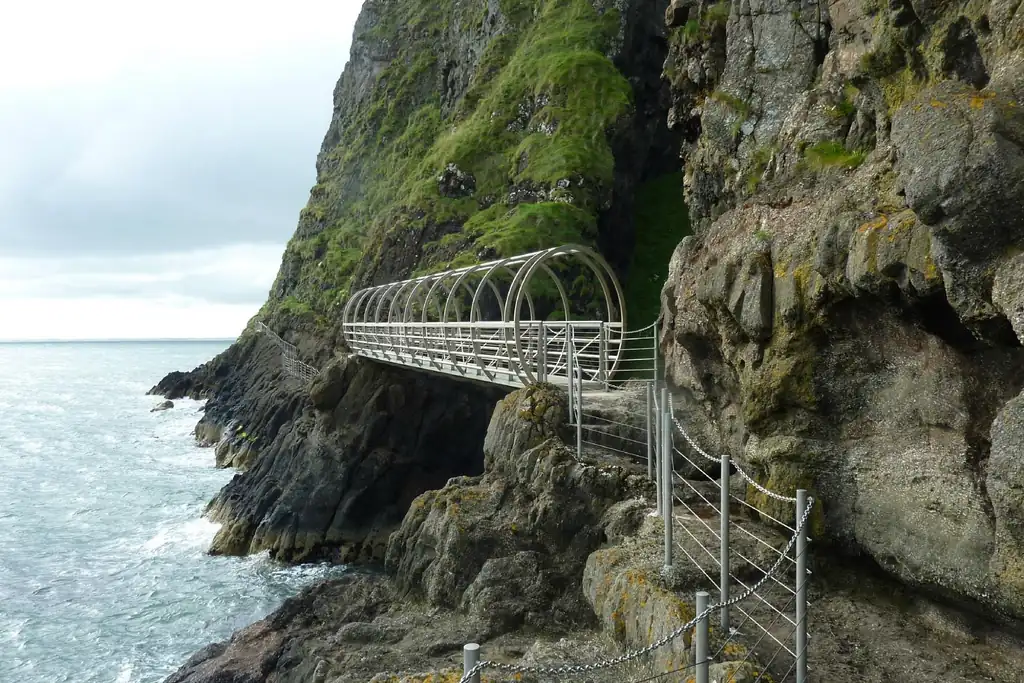
For an exhilarating addition to your Northern Ireland road trip, don’t miss The Gobbins Cliff Path. This dramatic coastal walkway takes you directly along the cliffs and rugged coastline, offering a unique perspective of the Irish Sea that few other trails can match.
Originally opened in 1902, The Gobbins was engineered to connect the cliffs with bridges, tunnels, and staircases carved into the rock — a true marvel of early 20th-century engineering.
Today, the path has been carefully restored, providing a safe yet thrilling adventure for visitors. As you traverse narrow bridges, suspended walkways, and cliffside tunnels, you’ll be treated to breathtaking panoramic views, towering sea cliffs, and the chance to spot seabirds and other wildlife in their natural habitat.
Perfect for adventurous walkers and photographers alike, The Gobbins Cliff Path is an unforgettable experience that combines history, engineering, and raw natural beauty in one of Northern Ireland’s most dramatic coastal settings.
What to Expect on the Walk
Narrow Cliffside Paths
Walkways hug the cliff face, giving you thrilling proximity to the crashing waves below.
Metal Bridges Above the Ocean
Modern steel walkways and bridges appear to float over the sea, offering dramatic views down into swirling turquoise water.
Wave-Carved Caves
Explore natural sea caves formed over millions of years by relentless Atlantic erosion.
Spiralling Staircases & Steep Climbs
Parts of the trail involve elevation changes and metal staircases that wind you up and down the cliff edge—adding to the adventure.
Abundant Wildlife
Seabirds such as puffins, guillemots, and kittiwakes soar overhead or nest on the cliffside, making it a fantastic spot for nature lovers.
Waves at Your Feet
At high tide, waves crash dramatically beneath the walkways—sometimes sending a refreshing spray onto the path!
The entire experience feels like a blend of thrill, wilderness, and raw coastal power. It’s the closest you’ll ever get to walking on the edge of the ocean.
Essential Visitor Info
Because The Gobbins involves narrow paths, changing weather, and cliffside sections, several rules apply:
Pre-booking is mandatory
Guided tours only (no self-guided access)
Sturdy walking shoes/boots required
Minimum age requirement for children
Weather-dependent — may close during storms or high winds
The full walk typically lasts 2.5–3 hours, including the descent and climb back up from the visitor centre.
Why You’ll Love It
This isn’t just a walk — it’s adventure tourism at its finest. From the moment you step onto the cliff path, you’re surrounded by spectacular geology, crashing waves, wildlife, and the raw, untamed beauty of the Antrim Coast.
It’s wild, It’s unforgettable, It’s one of Northern Ireland’s greatest outdoor experiences.
The Gobbins – Opening Hours
March – October (Main Season)
Daily: Guided tours usually run between 9:00am – 5:00pm
Tours depart at scheduled times throughout the day.
November – February (Winter Season)
Reduced schedule due to weather and maintenance.
Hours typically: 10:00am – 3:00pm
Some days may be closed entirely for safety.
Important Notes
Tours may be cancelled or rescheduled at short notice due to high winds or unsafe sea conditions.
Children must meet the minimum height requirement (usually around 1.2m).
Sturdy walking footwear is mandatory.
Glenarm Castle & Walled Garden – Heritage, Elegance & Craftsmanship
Your Next stop an the day is, Glenarm Castle, the ancestral home of the Earls of Antrim for over 400 years. This magnificent estate blends aristocratic heritage with modern charm.
The Walled Garden is the highlight:
A beautifully restored 18th-century garden filled with colourful borders, rose beds, ponds, and perfectly manicured lawns. Depending on the season, you may encounter blooming tulips, bright wildflowers, or vibrant autumnal displays.
The estate also features:
A relaxing Tea Room, perfect for scones or lunch
Artisan food trucks serving wood-fired pizzas and gourmet treats
Craft shops selling local gifts, pottery, and handmade goods
A Heritage Centre showcasing the estate’s long history
Throughout the year, Glenarm hosts special events like the Tulip Festival, Highland Games, and magical Christmas Markets—each offering a unique way to experience the grounds.
Address: Glenarm Castle & Walled Garden
Castle Demesne, Glenarm, Ballymena, County Antrim, BT44 0BQ, Northern Ireland, UK.
Opening Hours
The gardens and estate operate seasonally, so it’s best to check before you visit:
- Garden & Woodland Walk: Generally open daily from 10:00 am – 5:00 pm during the main season (Mid‑March to early November), with last admission around 4:30 pm.
- Welcome Centre & Castle Shop: Usually open 10:00 am – 5:00 pm year‑round.
- Tea Room & Café: Often open daily with slightly varied opening times — typically 10:00 am – 4:00 pm, with extended hours on weekends.
- Special Events: During seasonal events (e.g., Christmas at Glenarm Castle), access and hours may change and become ticket‑only for parts of the estate.
Note: The Walled Garden may be closed in the winter months, reopening in spring.
Tickets & Visiting Info
- Walled Garden & Woodland Walk: Seasonal admission with access to the historic garden and tranquil trails.
- Heritage Centre & Museum: Included with garden admission on many visits.
- Castle Tours: The private family residence opens for guided tours on select dates during the year — booking in advance is essential.
- Membership & Discounts: RHS and Historic Houses Association members often enjoy free or discounted entry.
Good to Know
- The Walled Garden was named Garden of the Year in 2023, known for its vibrant seasonal displays, herbaceous borders, and stunning views.
- There are refreshments, shops, and woodland walks on site, making it a lovely half‑day or full‑day stop.
Your next stop on the itinerary is Carnlough Village
Carnlough is a lovely fishing village nestled along the stunning Causeway Coastal Route in Northern Ireland. It’s known for its charming harbour, historic limestone quays, and fascinating connection to the Londonderry family.
You can visit the Londonderry Arms Hotel and explore nearby Cranny Falls, which offer breathtaking coastal views, cosy local pubs, and a glimpse into the area’s rich industrial heritage.
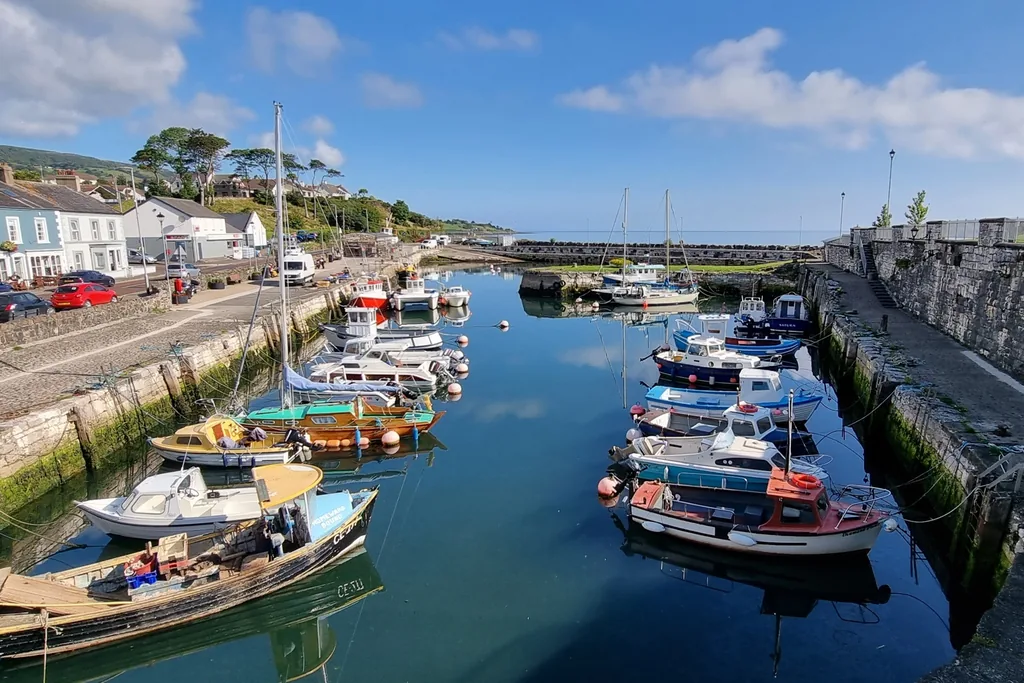
For Game of Thrones fans! If you’re on the Causeway Coastal route, you simply must stop at Carnlough Harbour. You’ll recognise the stony staircase leading down to the sea—it’s where Arya Stark crawled up after being stabbed by the Waif in Season 6.
Carnlough Harbour has a fascinating history. It was originally built by a local landowner named Phil Gibbons and later extended by the Marchioness of Londonderry in the early 1900s. As a landowner with large collieries in Durham, England, where she mainly lived, she realised the need for a harbour to handle Carnlough’s growing limestone export trade.
You can learn more about the Marchioness and Carnlough’s unique industrial past at the Heritage Hub in Carnlough Town Hall.
And guess what? There’s a special memorial plaque to ‘Paddy the Pigeon’ on the harbour wall. Paddy was one of 30 pigeons used by the Royal Air Force during World War 2 to deliver coded messages across the Channel during the Normandy landings in 1944.
Can you believe he set the record for the fastest crossing, crossing just under five hours? His owner came from Carnlough, and Paddy was awarded the PDSA Dickin Medal for bravery, which is like the animal version of the Victoria Cross. Paddy lived for 11 years and is still the only Irish recipient of the medal. Isn’t that incredible?
Here are some of the top things to see and do in Carnlough:
Carnlough Harbour: This historic limestone harbour is a must-visit. It’s got colourful buildings and is perfect for fishing, boating, and just soaking up the sea breeze.
Causeway Coastal Route: This scenic drive is a must-see. It takes you along the stunning coastline and offers some seriously dramatic views.
Londonderry Arms Hotel: This historic coaching inn is a real gem. It was built by the Marchioness of Londonderry, a relative of Winston Churchill, who also owned a cottage in the village.
Cranny Falls: This is a popular nearby attraction for a refreshing walk and beautiful waterfall views.
Hidden Village of Galboly: These are the ruins of a former 20th-century village, and they offer a fascinating glimpse into the past. You can also get some stunning views from the Garron Plateau.
Heritage Hub: Located in the Town Hall, this place is a great place to learn about Carnlough’s limestone mining history and the Marchioness’s legacy.
Carnlough Harbour Address: Harbour Road, Carnlough, County Antrim, BT44 0EU
Continue the Day Enjoying the North Antrim Coast Road
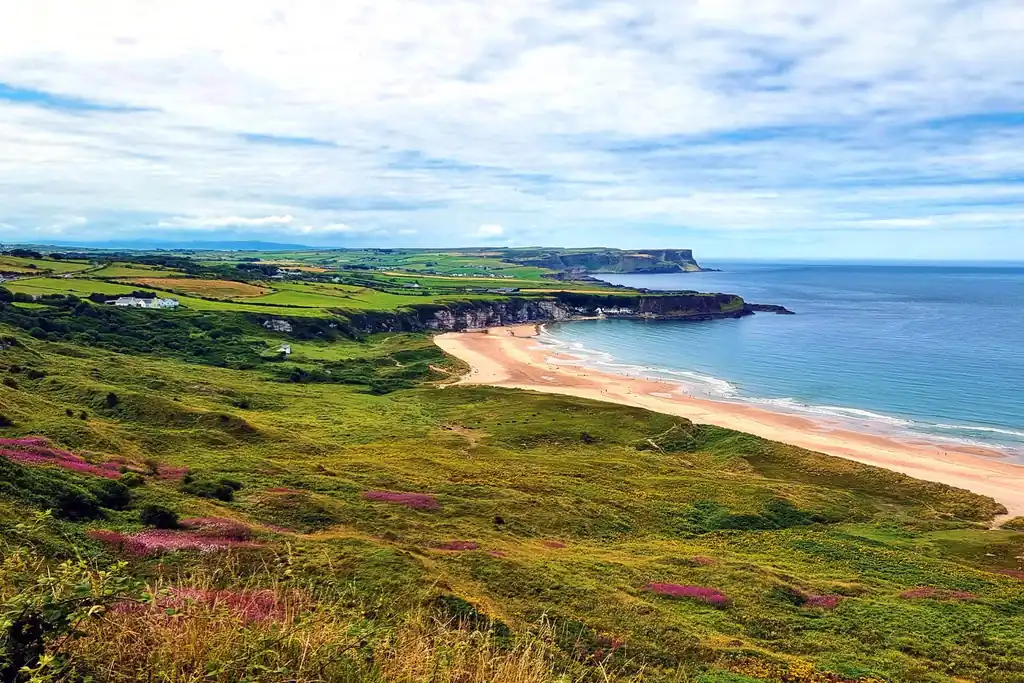
After leaving the charming village of Carnlough, continue your adventure along the world-famous Causeway Coastal Route, celebrated as one of the most breathtaking drives in all of Europe. This spectacular stretch of coastline is filled with dramatic cliffs, sweeping sea views, and picture-perfect villages that invite you to slow down and savour the beauty of Northern Ireland.
As the road traces the rugged edge of the shoreline, you’ll pass through the idyllic villages of Cushendall and Cushendun, as well as the atmospheric Cushendun Caves — a favourite filming location for Game of Thrones. Along the way, keep an eye out for ancient ruins, pristine beaches, and natural wonders shaped by centuries of wind and waves.
Make time for the many scenic viewpoints scattered along the route. Each lookout reveals a new perspective of the sparkling Irish Sea, the mysterious outline of Rathlin Island, and even the distant coast of Scotland on a clear day.
The Causeway Coastal Route isn’t just a drive — it’s an experience. Breathe in the fresh sea air, capture stunning photos at panoramic stops, enjoy a coffee in a coastal café, or simply relax and let the landscape unfold around you. This journey transforms your day into an unforgettable mosaic of wild scenery, charming villages, and moments you’ll treasure long after you leave.
North Antrim Coast Road
The “North Antrim Coast Road” traditionally refers to the spectacular stretch between Ballycastle and Larne, forming a major section of the A2 coastal route. Today, most travellers think of it as extending even farther, right to Portrush, as it naturally merges into what is now known as the Causeway Coastal Route, officially running from Londonderry to Belfast.
This extraordinary road replaced the old, unsafe Irish Highway that once served the region. Its transformation began between 1832 and 1842, led by the visionary Scottish engineer William Bald. Bald’s engineering feat involved carving a safe road directly along the base of steep basalt cliffs something considered wildly ambitious at the time.
Originally called the Grand Military Way, the new route had strategic motivation. After the 1798 Rebellion, the government wanted a faster coastal access route for troops. But the project served a second purpose: to open up the Glens of Antrim and coastal villages, allowing local communities better access to trade and travel.
The result was one of the most important civil engineering achievements of the 19th century, and today it stands proudly among the most scenic coastal drives in the world.
Bald was not the only great engineering mind involved. County surveyors Thomas Woodhouse and Charles Lanyon played crucial roles as well. Along the route, you will pass many of their elegant bridges most unnoticed by travellers but some, like the beautiful Glendun Viaduct, are impossible to miss.
Continue the Day Stop at the Glenariff Waterfall

Nestled at the heart of the famous Nine Glens of Antrim, Glenariff, often called “The Queen of the Glens,” is one of the most breathtaking landscapes in Northern Ireland. Its jewel is Glenariff Forest Park, a vast 1,000-hectare expanse of woodland, lakes, waterfalls, and conservation areas that showcase the very best of the region’s natural beauty.
A Forest Park for All Seasons
Glenariff Forest Park is fully open to the public and offers activities for visitors of all ages and abilities. Whether you’re here for a gentle stroll, a long forest hike, or simply a peaceful picnic, the park is designed for relaxation and adventure alike. Facilities include:
Picnic and BBQ areas
Horse-riding trails
Touring routes and scenic lookouts
A charming tea house with views over the valley
With its mixture of planted woodland and native forests, Glenariff is beautiful year-round—from bluebells in spring to golden birch leaves in autumn.
The Famous Waterfall Walk & Gorge
One of Glenariff’s most iconic features is its dramatic river gorge, home to a rich variety of mosses, liverworts, and ferns. The biodiversity here is so exceptional that part of the glen has been designated a National Nature Reserve.
The timber boardwalk, originally built over a century ago and carefully restored in recent years, winds through the gorge and offers some of the most spectacular waterfall viewpoints in Northern Ireland. The sound of rushing water and the cool mist from the falls make this walk unforgettable.
Wildlife & Conservation
Glenariff is a haven for several protected species, making it a favourite spot for nature lovers and wildlife photographers. Among the animals you may spot are:
Red squirrels
Irish hares
Hen harriers
Forest songbirds and raptors
With a bit of patience, the forest’s quieter paths often reveal glimpses of these rare inhabitants.
Walking Trails
The park features several well-marked walking trails, suitable for both casual walkers and experienced hikers:
Rainbow Trail – 0.6 km
Viewpoint Trail – 1 km
Waterfall Walk Trail – 3 km
Scenic Trail – 8.9 km
Each offers something unique—from panoramic viewpoints to deep forest sections and flowing waterfalls.
Visitor Information
There are no shops within walking distance of the forest, but the villages of Waterfoot and Cargan, just a short drive on either side of Glenariff, offer restaurants, bars, cafés, and convenience stores for supplies.
For group activities or educational visits, special events and guided school walks can be arranged through the Forest Service (Garvagh Forest Office, Mon–Fri, 09:00–16:00).
This locations not easy to find here the google map address 120 Glen Rd, Ballymena BT44 0RG
Address: Glenariff Forest Park, 98 Glenariff Road, Glenariff, County Antrim, BT44 0QX
Cushendun Caves – Geological Wonder & Game of Thrones Fame
Situated within the picturesque village of Cushendun, Northern Ireland’s Antrim Coast, the Cushendun Caves are a remarkable natural attraction that harmoniously blends geological formations, historical significance, and cinematic recognition. Eroded over millions of years by the sea, these dramatic caves exhibit smooth, rounded structures that evoke a distinctive and enigmatic ambiance.
While the caves have long been celebrated as geological wonders, their international prominence was further amplified by their inclusion in the television series Game of Thrones. Serving as the haunting backdrop for pivotal scenes, the caves have garnered immense popularity among both nature enthusiasts and devoted fans of the show.
Visitors can embark on a leisurely stroll along the coastal pathways, immersing themselves in the breathtaking vistas of the Irish Sea and the charming village surroundings. The caves are conveniently accessible from the village, making the area an ideal destination for photography, picnics, and exploring the rugged coastline.
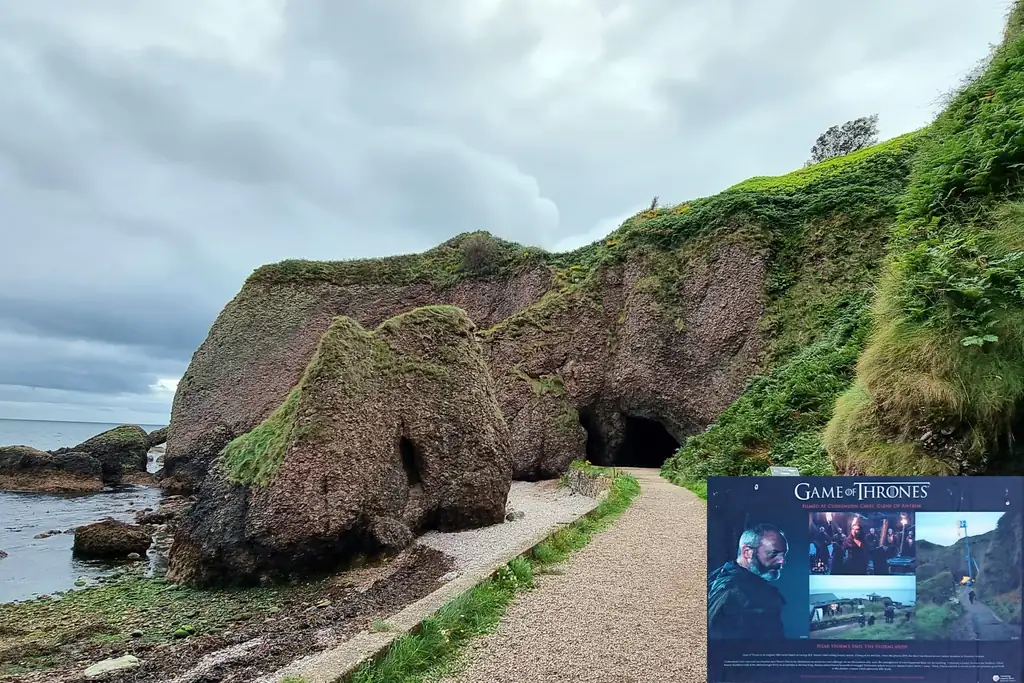
Formed over 400 million years by relentless coastal erosion, the Cushendun Caves are atmospheric, dark, and echoing—full of mystery and natural drama. You’ll feel the temperature drop as you step inside the cavern, the sound of the waves echoing off the rock walls.
Game of Thrones fans will recognise this location as the setting where Melisandre gives birth to the Shadow Creature in Season 2. The filming brought international attention to this tiny, tranquil village.
The village of Cushendun itself is charming, featuring:
Cornish-style cottages built in the 1920s
A small, peaceful harbour
A beautiful sandy beach
Roaming goats that often appear near the caves
It’s a quiet, calming stop that contrasts beautifully with the wild coastal scenery just ahead.
Torr Head Scenic Drive – Ireland’s Most Dramatic Road
Torr Head Scenic Drive: Breathtaking Views of the Antrim Coast
One of the highlights of a Northern Ireland road trip is the Torr Head Scenic Drive, a spectacular route along the rugged Causeway Coastal Road that offers some of the most dramatic views in the region. Winding along cliffs, rolling hills, and coastal roads, this drive takes you through untamed landscapes where the sea meets the sky in a perfect horizon.
The route follows the Antrim Coast, passing charming villages, historic landmarks, and tranquil beaches along the way. At Torr Head, you’ll be treated to panoramic views of the North Channel, with Scotland visible on a clear day. This is the perfect spot to stop, stretch your legs, and soak in the scenery, or capture breathtaking photos of the coastline.
The drive is ideal for those who love scenic road trips, photography, and a slower pace of travel where every bend reveals something new — from wildflowers and birds of prey to dramatic cliffs and historic lighthouses. Whether you’re exploring by car, motorbike, or even bicycle, the Torr Head Scenic Drive is a must-do experience on the Causeway Coastal Route.

Torr Head Scenic Drive: Directions, Timing & Stops
Overview:
The Torr Head Scenic Drive is a spectacular coastal route along Northern Ireland’s Antrim Coast, offering some of the most breathtaking views of the Irish Sea, cliffs, and charming villages. It’s perfect for travelers who enjoy photography, nature, and historic landmarks.
Route & Directions
Starting Point: Ballycastle or Ballymoney (both on the Causeway Coastal Route)
Route: Follow the B147 Causeway Coastal Road towards Torr Head. The road winds along cliffs, farmland, and coastline, providing endless scenic views.
End Point: Torr Head viewpoint and return via the same route or continue to Cushendun/Cushendall.
Drive Distance: Approx. 30–35 km round trip (depending on detours).
Estimated Driving Time: About 1–1.5 hours without stops; allow 3–4 hours to enjoy the scenery and make multiple stops.
Recommended Stops Along the Drive
Ballycastle: A charming coastal town with cafes and local shops — great for breakfast before starting the drive.
Runkerry Beach: White sands and clear waters, perfect for a short walk and photos.
Rathlin Island Viewpoints: Stop at high points along the cliffs for panoramic views of Rathlin Island.
Torr Head: The highlight of the drive — a dramatic cliff-top viewpoint with uninterrupted views of the North Channel, stretching to Scotland on a clear day. Ideal for photography and a short walk along the cliff paths.
Local Villages: Small villages like Glenshesk or Cushendall offer quaint cafes, craft shops, and friendly locals.
Tips for the Drive
Best Time to Go: Morning or late afternoon for softer light and fewer crowds.
Road Conditions: Winding and narrow in places — drive carefully and take your time.
Photography: Bring a wide-angle lens to capture the sweeping coastline, and watch for seabirds and wildflowers.
Combine With: Giant’s Causeway, Carrick-a-Rede Rope Bridge, or Cushendun Caves for a full day of sightseeing.
This makes the Torr Head Scenic Drive an unforgettable part of any Northern Ireland road trip, offering a perfect mix of nature, history, and coastal beauty.
Ballycastle and Ballycastle Harbour – A Charming Seaside Finale
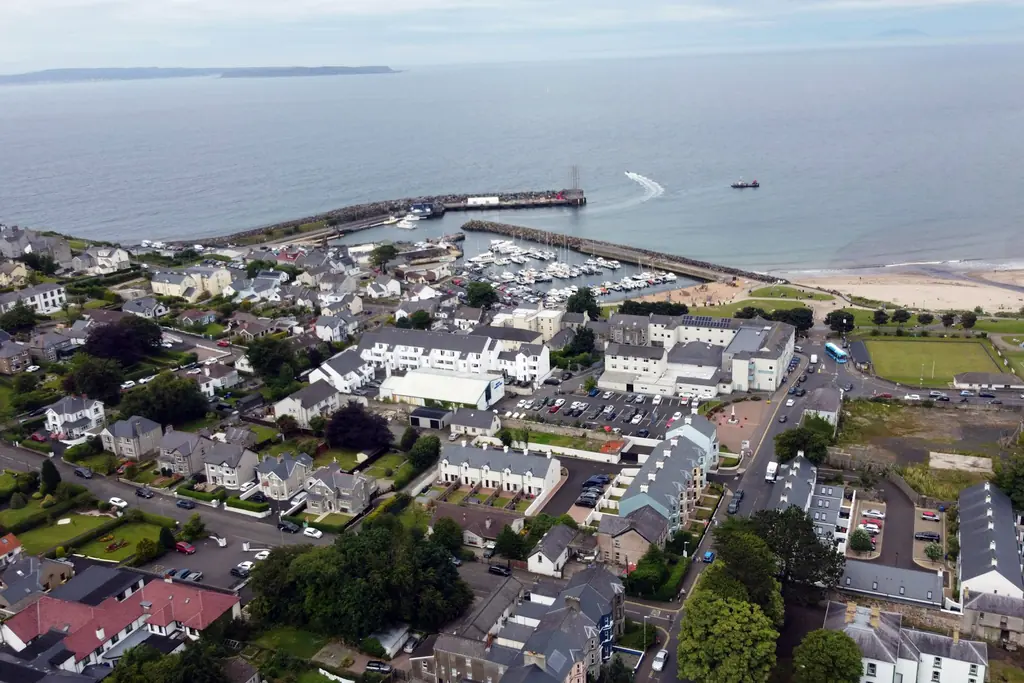
Your final stop of the day is the welcoming seaside town of Ballycastle, one of the prettiest harbour villages on the North Coast.
Nestled on Northern Ireland’s stunning Causeway Coast, Ballycastle is a charming seaside town that perfectly blends natural beauty, history, and local culture. With its quaint streets, colourful shops, and friendly cafés, Ballycastle is more than just a stopover — it’s a destination in its own right and an ideal base for exploring the surrounding wonders of the Antrim Coast.
Things to See and Do
Ballycastle Harbour: A walk along the picturesque harbour offers panoramic views of the sea, fishing boats, and Rathlin Island just off the coast. It’s the perfect spot to pause, take photos, or simply enjoy the fresh coastal air.
Runkerry Beach: Just a short drive from the town, this sandy beach is ideal for a leisurely stroll or a quiet picnic, with views of cliffs and sea stacks that are quintessentially Northern Ireland.
Bonamargy Friary: Step back in time at this 15th-century Franciscan friary, set amid rolling greenery. The ancient ruins evoke the rich history of the region and are perfect for history enthusiasts and photographers alike.
Coastal Walks & Scenic Drives: Ballycastle is the gateway to the Torr Head Scenic Drive and nearby coastal trails, where every bend reveals dramatic cliffs, hidden coves, and breathtaking ocean views.
Where to Eat
Lily’s Café: A cosy, welcoming spot for breakfast or lunch, known for its fresh pastries, hearty sandwiches, and locally sourced produce.
The Bushmills Inn Restaurant: Just a short drive away, this award-winning restaurant offers classic Irish dishes with a modern twist, perfect for a relaxed lunch or dinner.
Seafood by the Harbour: Sample freshly caught seafood while enjoying views of the water — a real treat for food and photography lovers alike.
Events and Local Culture
Ballycastle is a lively hub throughout the year, hosting seasonal festivals, maritime events, and cultural gatherings. Highlights include the Ballycastle Festival and Maritime Week, which showcase the town’s rich heritage, music, and local crafts.
Tips for Visiting
Parking: Ample public parking is available throughout the town, particularly near the harbour and town centre.
Time Needed: Spend 1–3 hours exploring the town and nearby beaches, or use Ballycastle as a base for a full day of scenic drives along the Antrim Coast.
Photography: Early morning or late afternoon offers the best light for capturing the harbour, cliffs, and coastal landscapes.
With its vibrant town centre, historic sites, and stunning coastal scenery, Ballycastle is a must-visit stop on any Northern Ireland road trip. It provides the perfect mix of culture, relaxation, and access to some of the most dramatic landscapes in the region.
Recommended Hotels in Ballycastle
The Salthouse Hotel – Luxury, Sustainability & Coastal Calm in Ballycastle:
The Salthouse is a modern eco-luxury hotel overlooking Ballycastle, offering stunning views of Fair Head and the Antrim coastline. With 24 stylish rooms and suites, it provides a peaceful retreat perfect for slowing down, relaxing, and enjoying the North Coast.
Guests can enjoy ocean-view dining featuring fresh, locally sourced produce and seafood, as well as a soothing spa complete with sauna, steam room, treatment rooms, outdoor hot tubs, and seaweed baths.
Ideally located for exploring the Causeway Coast, the hotel is just over an hour from Belfast and close to major attractions like the Giant’s Causeway and Carrick-a-Rede Rope Bridge. The Salthouse is the perfect base for a restful and memorable stay in Ballycastle.
Marine Hotel Ballycastle
Located on the Causeway Coastal Route, the Marine Hotel offers stunning Atlantic views and sustainable, B Corp–certified hospitality. With 51 modern rooms, sea-view dining at Marconi’s, and large event spaces, it’s perfect for couples, families, groups, and golfers.
Close to major attractions like the Giant’s Causeway, Carrick-a-Rede, Rathlin Island, and top Game of Thrones® sites, the hotel also provides free bike hire, yoga mats, and is fully pet-friendly.
Northern Ireland Road Trip itinerary Day Three - Giants Causeway, Dunluce Castle, Bushmills & Rope Bridge
Volcanic wonders, medieval legends, whiskey heritage & world-class coastal scenery
Your next stop on the Northern Ireland Road Trip itinerary is one of the most iconic days on the Causeway Coastal Route packed with scenery, history, mythology, and unforgettable photography opportunities. Expect rugged cliffs, turquoise waves, ancient ruins, and some of Ireland’s most famous attractions all in one day.
I recommend start the day at 08:00 am and subsequently booking your tickets for the Carrick-A-Rede Rope Bridge at 09:30 am, and also don’t forgot the stop at the viewpoint first befor get to the rope bridge.
First Stop on the Day is The Dark Hedges: A Mystical Beech Tree Avenue
One of Northern Ireland’s most photographed and enchanting spots, The Dark Hedges is a 250-year-old avenue of beech trees in County Antrim. Over the centuries, the trees’ intertwining branches have formed a tunnel-like canopy, creating a mysterious, almost otherworldly atmosphere that captivates every visitor.
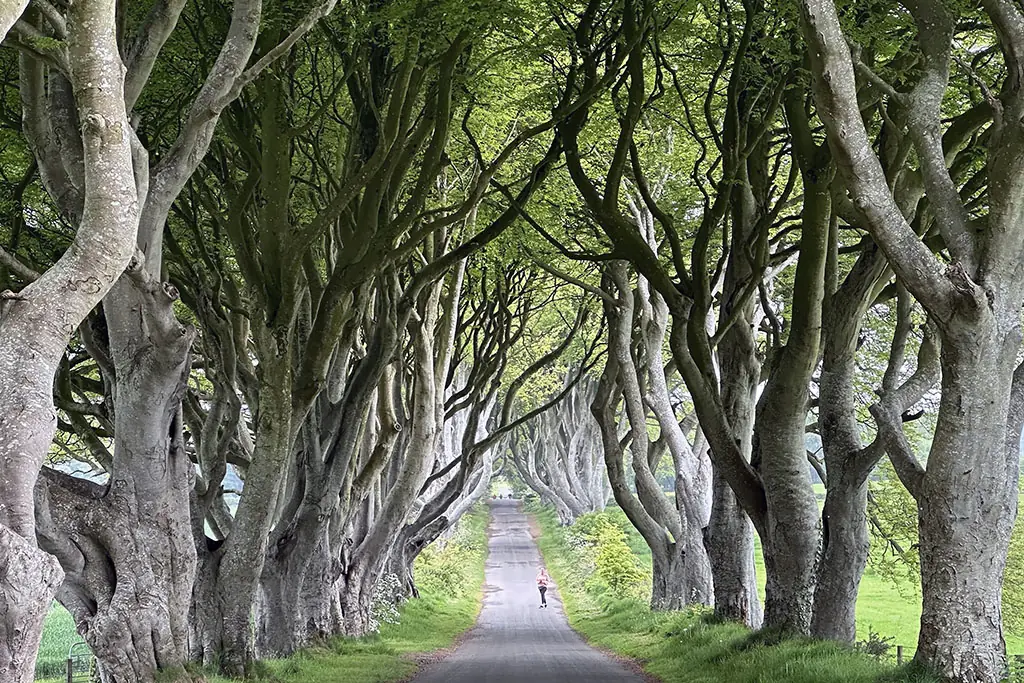
Fans of Game of Thrones will recognize this iconic location as the Kingsroad, where Arya Stark made her famous escape. Today, it draws photographers, nature lovers, and travelers looking for a magical, cinematic experience.
A short walk along the road allows you to fully appreciate the twisted trunks and dramatic arching branches, especially when the light filters through in the early morning or late afternoon. It’s a quiet spot to soak in nature’s artistry and capture unforgettable photographs.
Address: Bregagh Road, Stranocum, Ballymoney, County Antrim, BT53 8PX, Northern Ireland, UK
Visiting Hours
Open year-round
Accessible daylight hours only
No entry fee, but parking fees apply at designated areas.
Visitor Tips
Best time for photos: Early morning or late afternoon to avoid crowds and enjoy soft light.
Parking: Use the official car park along the Bregagh Road; avoid parking on the road itself.
Walking: The main avenue is short — about 500 meters — so plan 15–30 minutes to explore and photograph.
Nearby attractions: Combine your visit with Ballymoney, Bushmills, and the Giant’s Causeway for a full Causeway Coastal Route experience.
Next Stop on the Day is Carrick-a-Rede Rope Bridge
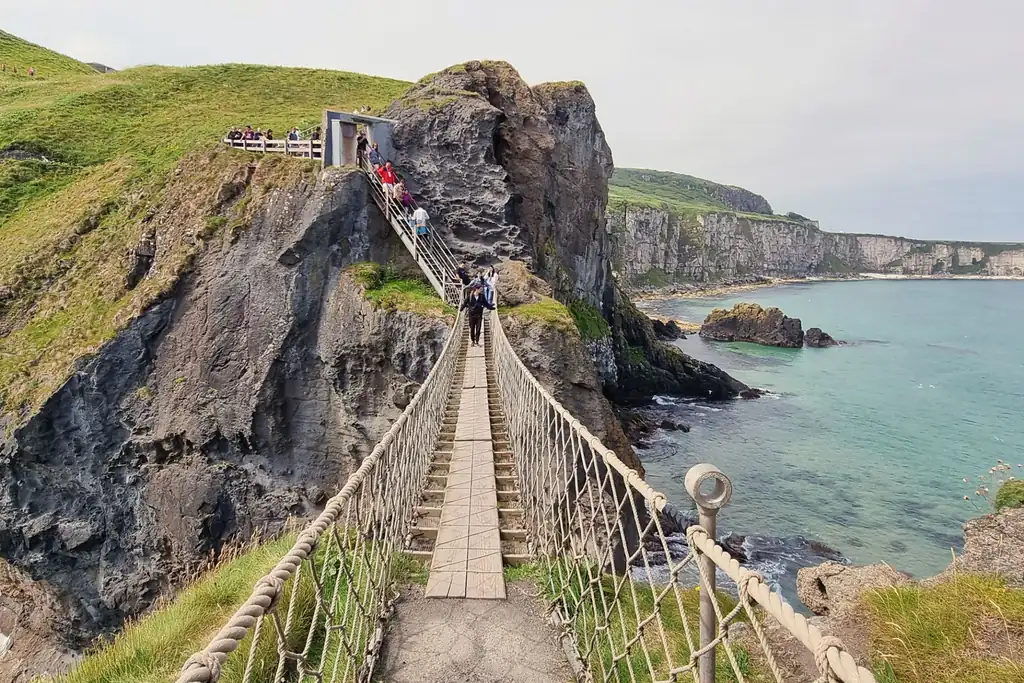
One of the most iconic attractions along the Causeway Coastal Route, the Carrick-a-Rede Rope Bridge offers an unforgettable blend of adventure and breathtaking scenery. Suspended almost 30 metres above the crashing Atlantic waves, the bridge links the mainland to the tiny island of Carrick-a-Rede, once used by salmon fishermen over 350 years ago.
Crossing the bridge is an exhilarating experience. As it gently sways beneath your feet, you’re rewarded with dramatic views of rugged cliffs, turquoise waters, and the vast North Atlantic stretching to the horizon. On a clear day, you can even spot Rathlin Island and the Scottish coastline in the distance.
Beyond the bridge itself, the surrounding coastal paths are just as impressive. Scenic walking trails wind along the cliffs, offering countless photo opportunities and a chance to appreciate the raw beauty of Northern Ireland’s coastline. Whether you’re an adrenaline seeker, a nature lover, or a keen photographer, Carrick-a-Rede Rope Bridge is a must-see highlight on any Northern Ireland road trip.
350 years of history – thrilling views and rugged cliffs
What to Experience
A cliff-top walking trail with views of Rathlin Island.
Crossing the swaying bridge with waves rolling beneath your feet.
A viewpoint on the island offering dramatic views of the Sheep Island sea stack.
Birdwatching—look out for gannets, razorbills and guillemots in season.
Photo Stops
Main viewpoint overlooking the bridge from above (best angle).
On the island looking back toward the cliffs.
Turquoise rock pools and volcanic formations below the trail.
Carrick-A-Rede Rope Bridge Address: 119a Whitepark Road, Ballintoy, Ballycastle, County Antrim, BT54 6LS, Northern Ireland, UK.
Opening Hours
Carrick-a-Rede is open year-round (weather permitting), with seasonal operating times. The bridge may close temporarily in high winds for safety:
January – February: 09:30 am – 3:30 pm
March – May: 09:30 am – 6:00 pm
June – August: 09:30 am – 7:00 pm
September – October: 09:30 am – 6:00 pm
November – December: 09:30 am – 3:30 pm
Closed: 24th – 26th December
Last bridge access: ~45 minutes before closing.
Tip: Opening times can vary slightly year-to-year, so check the official National Trust page before you travel.
Tickets & Admission
To cross the bridge, timed tickets are required and it’s highly recommended to book in advance online — especially in peak season (spring–summer).
Typical ticket prices (approximate):
Adults: £14–£15.50
Children (5–17): £7–£7.75
Under-5s: Free
Family tickets & concessions: Available
National Trust Members: Free with booking and membership card.
Tickets usually include parking at the main car park; if you choose not to cross the bridge, you may still visit the coastal paths and view the site from a distance (walk towards the bridge for free).
For further information and to secure your tickets, kindly proceed. Booknow>>>
Visitor Tips
Walk from the car park: Plan for approx. 20 minute walk along a well-marked coastal path to reach the bridge itself — wear sturdy shoes and sensible clothing.
Arrive early or late: Early morning or mid-afternoon slots often have fewer queues and a calmer experience.
Weather considerations: The bridge may close in high winds or storms for safety. Always check status online or by phone before arrival.
Plan about 1.5–2 hours: Many visitors spend this time enjoying the walk, crossing the bridge, taking photos, and stopping at the Weighbridge Tea-Room afterwards.
Photography: Early and late light enhances photos of the dramatic cliffs and sea views — perfect for capturing that iconic rope bridge moment.
Pro-Tip: Even if you’re not planning to cross, walking partway down the coastal path still rewards you with spectacular sea views and photo opportunities — making Carrick-a-Rede worth a stop regardless.
Next Stop Ballintoy Harbour: A Picture-Perfect Coastal Stop
Tucked away beneath dramatic cliffs on the Antrim Coast, Ballintoy Harbour is one of Northern Ireland’s most charming and photogenic coastal spots. Small, rugged, and full of character, this historic harbour feels wonderfully untouched, with colourful fishing boats bobbing in the water and waves crashing against the rocks.
Ballintoy Harbour gained worldwide recognition after featuring in Game of Thrones, where it was used as the setting for the Iron Islands. Today, it attracts visitors not only for its cinematic fame but also for its raw natural beauty and peaceful atmosphere.
A short walk around the harbour reveals stunning coastal views, rocky shorelines, and access to scenic cliff paths. On a calm day, the crystal-clear water and surrounding cliffs make it an ideal place for photography, while the nearby coastline offers excellent opportunities for exploring and soaking in the fresh sea air.
Just above the harbour, the Ballintoy Harbour Café is a perfect stop for a light lunch or coffee, serving fresh seafood and simple local dishes with unbeatable views. Whether you’re stopping briefly or lingering to enjoy the scenery, Ballintoy Harbour is a must-visit highlight on any journey along the Causeway Coastal Route.

Ballintoy Harbour Address & Location: Harbour Road, Ballintoy, County Antrim, BT54 6NA, United Kingdom
You’ll find the harbour nestled off the B15 Causeway Coast Road, roughly halfway between Ballycastle and Bushmills, making it an easy and scenic stop on your coastal adventure.
How to Get There
By car: Follow the narrow, winding road called Harbour Road (it descends steeply down to the cove). Large vehicles such as buses and coaches are not allowed due to the narrow access.
By public transport: The 402 or 172 bus from Coleraine or Ballycastle runs along the coast — you can alight on the main road and walk down to the harbour (about a 15–20 min walk).
On foot: The Causeway Coast Way long-distance trail passes above the harbour, and from here you can hike east towards Carrick-a-Rede Rope Bridge or west towards the Giant’s Causeway.
Parking & Facilities
Free Car Park: There’s a free car park right by the harbour — but it fills up quickly, especially in summer, sunny weather, and late mornings.
Toilets: Free public toilets are available near the car park and are open 24 hours.
Café: There’s a café at the quayside serving light meals, snacks, and refreshments — perfect for a pit stop with a view.
Accessibility: The final approach to the harbour involves descending a steep road, so wear sturdy footwear.
What to Do
Photography & Views: The harbour’s natural harbour, rugged cliffs, and Atlantic backdrop make it one of the most photogenic spots on the Causeway Coast.
Explore the Shoreline: A cave and shoreline paths around the harbour offer interesting geological features and coastal views.
Walking Links: From Ballintoy you can join the Causeway Coast Way to walk to Carrick-a-Rede (about 1 km along cliff paths) or even further to the Giant’s Causeway if you’re up for a longer trek.
Kayaking & Boat Tours: In summer, guided kayaking and boat tours run from the harbour — a fun way to see the coast and nearby coves from the water.
Nearby Spots
Carrick-a-Rede Rope Bridge: Just down the coast — you can walk or drive to the parking area and continue your scenic adventure.
Whitepark Bay: A breathtaking sandy beach just a short distance north.
Giant’s Causeway: Only about a 10-15 minute drive from Ballintoy Harbour — perfect to combine stops on your coastal itinerary.
Travel Tips
Best Times to Visit: Early morning or late afternoon visits help avoid tour bus crowds, especially in summer.
Photography: Soft light at sunrise and sunset brings out the texture of the cliffs and sea stacks — a must for landscape photography.
Exploration Time: A quick visit can take 30–60 minutes, but if you plan to walk parts of the coast path or relax by the harbour, 1–2 hours is ideal.
Ballintoy Harbour isn’t just a picture-perfect stop — it’s a gateway to some of the best scenery on the Causeway Coast, linking naturally with nearby attractions like Carrick-a-Rede, Whitepark Bay and the Giant’s Causeway, making it a highlight of your road trip itinerary.
White Park Bay – One of Northern Ireland’s Most Beautiful Beaches
White Park Bay is a sweeping, golden crescent of sand tucked between rugged limestone cliffs on the Causeway Coast. Managed by the National Trust, this unspoiled beach stretches for nearly three miles, offering breathtaking Atlantic views, peaceful walking trails, and a sense of untouched natural beauty that feels worlds away from the busy tourist spots.
Why It’s Special
White Park Bay is a rare example of a completely natural, undeveloped coastline. There are no shops, no arcades, no commercial buildings—just open sand, grassy dunes, wildlife, and the sound of rolling waves. It’s one of the few beaches where you can truly feel the raw, wild spirit of the North Antrim Coast.
Highlights
Golden Sand & Rolling Dunes
Wide, clean sands backed by shifting dunes create a perfect spot for beach walks year-round.
Views Across to the Skerries & Sheep Island
On clear days, you can see as far as Rathlin Island and the Scottish headlands.
Wildlife Spotting
Look out for seabirds, oystercatchers, butterflies, and—most famously—
the cows! Local cattle often wander freely onto the beach in summer, creating one of the most unique and charming photo opportunities in Northern Ireland.
Rich Archaeological History
Evidence of human settlement here dates back thousands of years, including remains from the Neolithic, Bronze Age, and early Christian periods. Ancient middens, flint tools and early settlements have been discovered along the bay.
Whitepark Bay Youth Hostel
Once a 1700s manor house, the hostel now offers one of the most spectacular coastal views imaginable.
Top Photo Stops
Clifftop Car Park Viewpoint – the classic panoramic shot overlooking the entire curve of the bay.
Mid-beach stretch – dramatic moments when cows wander onto the sand.
Near the limestone cliffs – rugged textures and turquoise water perfect for close-up photography.
Sunrise/sunset – warm light reflecting off the long curve of the beach creates cinematic scenes.
Good to Know
The beach is not suitable for swimming due to strong currents.
Access includes a steep path from the car park, so comfortable footwear is recommended.
It’s one of the quietest beaches along the Causeway coast—ideal for peaceful morning or evening walks.
The Giant’s Causeway Northern Ireland’s Natural Wonder
No journey along the Causeway Coastal Route is complete without a visit to the Giant’s Causeway, Northern Ireland’s most iconic and awe-inspiring landmark. This UNESCO World Heritage Site is famous for its extraordinary landscape of over 40,000 interlocking basalt columns, formed by volcanic activity more than 60 million years ago.
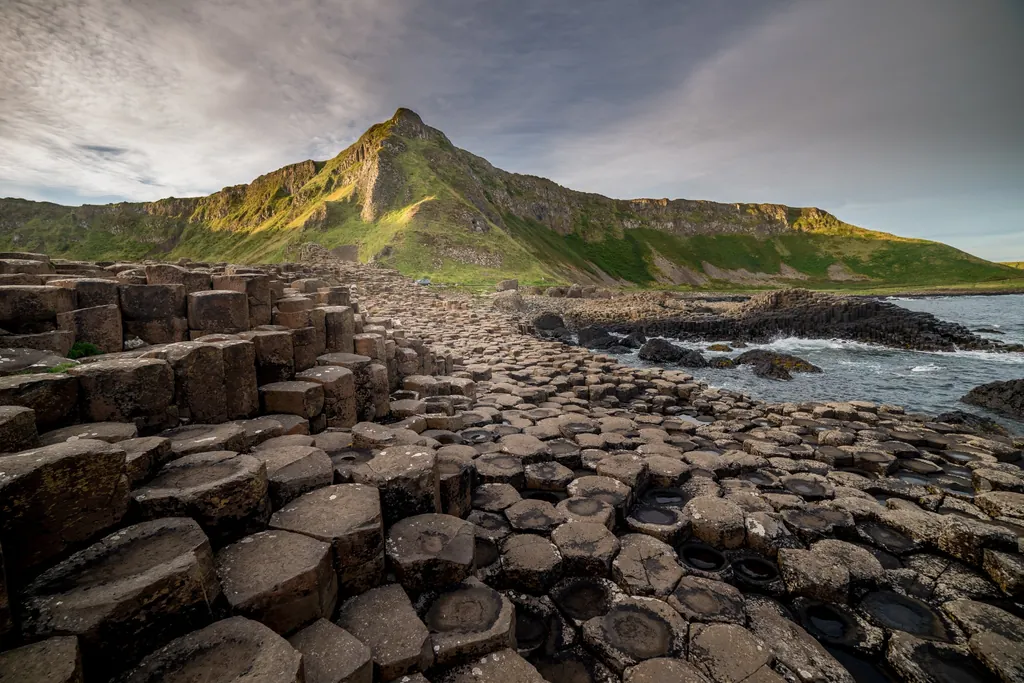
Legend tells a different story. According to Irish folklore, the causeway was built by the giant Finn McCool, who created the stone pathway to face his Scottish rival across the sea. Whether you believe science or legend, standing among the hexagonal stones is a truly unforgettable experience.
Walking along the shoreline, you’ll encounter famous formations such as the Giant’s Boot, the Wishing Chair, and the Organ Pipes, all shaped by nature and steeped in myth. The surrounding cliffs and coastal paths offer breathtaking views over the North Atlantic, with Rathlin Island and the Scottish coast visible on clear days.
For those who enjoy walking, several scenic trails wind above the stones, providing panoramic viewpoints and quieter perspectives of this remarkable landscape. The Giant’s Causeway Visitor Centre adds depth to the visit, with engaging exhibitions that explore the site’s geology, history, and legends.
Whether you’re drawn by ancient myths, dramatic scenery, or world-class natural heritage, the Giant’s Causeway is the crown jewel of the Causeway Coast and a highlight of any Northern Ireland road trip.
A UNESCO World Heritage Site – Ireland’s greatest natural wonder
What to Explore
The Grand Causeway – the largest collection of columns leading directly into the sea.
The Wishing Chair – a naturally formed throne polished by thousands of visitors.
The Giant’s Boot – a huge boot-shaped rock left behind by Finn McCool.
The Organ Pipes – towering basalt columns rising dramatically from the cliff face.
The Shepherd’s Steps – 162 steep steps up to the clifftop trail.
Photo Stops
Visitor Centre viewpoint (perfect for your first panorama).
Clifftop Red Trail for dramatic sweeping views of the coastline.
The Giant’s Gate – columns rising like castle ramparts.
Sunset shots with golden light reflecting on the hexagonal stones.
Optional Enhancements
Grab a coffee from the Causeway Café before the walk.
Listen to the audio guide for folklore and geology.
Sunrise or sunset visits provide magical lighting and fewer crowds.
Dunluce Castle: A Dramatic Cliff-Top Fortress
The enchanting avenue of beech trees that currently stands as a remarkable spectacle was planted centuries ago by the illustrious Stuart family in the ei
Perched precariously on the edge of a cliff overlooking the North Atlantic, Dunluce Castle is one of Northern Ireland’s most spectacular and photogenic historic sites. Dating back to the 13th century, this medieval fortress was once the seat of the MacDonnell clan, rulers of the Glens of Antrim. Its dramatic location and storied past have made it a favourite for history enthusiasts, photographers, and travellers seeking a glimpse into Ireland’s turbulent past.
The castle has seen sieges, shipwrecks, and clan rivalries, yet even in ruins, its walls and towers convey the power and majesty of medieval Ireland. From the cliff-edge battlements, you can enjoy panoramic views of the Atlantic coastline, nearby Rathlin Island, and the Causeway Coast itself.
Eighteenth century.
The plantation of trees was intentionally meant as an impressive and breathtaking landscape feature that would entrance and amaze visitors as they journeyed to the entrance of their Georgian-style mansion.
Perched precariously on the edge of a cliff overlooking the North Atlantic, Dunluce Castle is one of Northern Ireland’s most spectacular and photogenic historic sites. Dating back to the 13th century, this medieval fortress was once the seat of the MacDonnell clan, rulers of the Glens of Antrim. Its dramatic location and storied past have made it a favourite for history enthusiasts, photographers, and travelers seeking a glimpse into Ireland’s turbulent past.
The castle has seen sieges, shipwrecks, and clan rivalries, yet even in ruins, its walls and towers convey the power and majesty of medieval Ireland. From the cliff-edge battlements, you can enjoy panoramic views of the Atlantic coastline, nearby Rathlin Island, and the Causeway Coast itself.

A visit to Dunluce Castle is not just about exploring ruins — it’s about immersing yourself in centuries of history, legends, and coastal drama. The nearby Dunluce Castle Visitor Centre offers informative exhibits about the castle’s history, archaeology, and the clans that once called it home.
Whether you’re a history buff, a photographer, or a romantic at heart, Dunluce Castle provides a dramatic and unforgettable stop along the Causeway Coastal Route.
One of Europe’s most dramatic medieval ruins
Perched on a basalt outcrop surrounded by sheer drops, Dunluce Castle looks like something from a fantasy novel.
What to See
The Gatehouse Bridge – a stunning vantage point overlooking the sea.
The Great Hall – once used for lavish feasts and clan gatherings.
Clifftop battlements – offering commanding views of Portrush and the Skerries.
Mermaid’s Cave – a huge sea cave beneath the castle (accessible depending on conditions).
Photo Stops
The roadside lay-by before the castle (the best postcard angle).
Inside the ruins looking through stone arch windows framed by ocean views.
Clifftop path for dramatic wide-angle shots of the structure on its rocky throne.
Fun Fact
Dunluce is rumoured to have inspired Cair Paravel in The Chronicles of Narnia and was featured as House Greyjoy in Game of Thrones artwork.
Dunluce Castle Address: Bushmills Road, Portrush, County Antrim, BT57 8UY,
Located just a short drive from the Giant’s Causeway and Ballintoy Harbour, Dunluce Castle is easy to include on any Causeway Coastal Route itinerary.
Opening Hours
March – October: 09:30 am – 5:30 pm
November – February: 10:00 am – 4:00 pm
Closed: 24–26 December
Last admission: ~30 minutes before closing.
Tickets & Admission
Adults: £6.50
Children (5–16): £3.50
Children under 5: Free
Concessions / Seniors: ~£5.50
Family tickets: Available
Free entry for National Trust members.
Tickets are purchased on-site at the visitor centre.
Visitor Tips
Time Needed: Allow 1–2 hours to explore the castle ruins, take photos, and enjoy the dramatic coastal views.
Photography: The castle’s cliff-edge setting makes it perfect for sunrise or sunset shots, especially from the northern side overlooking the sea.
Footwear: Wear sturdy shoes — paths around the ruins and cliff edges can be uneven and slippery.
Nearby Stops: Easily combine your visit with Giant’s Causeway, Ballintoy Harbour, or Carrick-a-Rede Rope Bridge for a full day of sightseeing.
Accessibility: The castle ruins are partially accessible, but the cliff-edge areas may not be suitable for those with limited mobility.
Pro Tip: Take time to explore the visitor centre, which offers fascinating insights into the castle’s history, archaeological finds, and the MacDonnell clan’s legacy.
Old Bushmills Distillery A Taste of Ireland’s Whiskey Heritage
Just a 4-minute drive from the charming village of Bushmills, you’ll find the Old Bushmills Distillery. It’s the world’s oldest licensed whiskey distillery, with a history that spans over 500 years, all the way back to 1608! Famous for producing smooth, triple-distilled Irish whiskey, Bushmills has become a must-visit for whiskey lovers and anyone interested in Ireland’s cultural heritage.
Visiting the distillery offers a unique glimpse into the traditional whiskey-making process, from malting and fermentation to distillation and maturation. Guided tours provide fascinating insights into the craftsmanship, history, and stories behind some of Ireland’s most iconic whiskeys. For those who like a taste of adventure, the experience often concludes with a whiskey tasting session, allowing you to savor the distinct flavors of Bushmills whiskey.
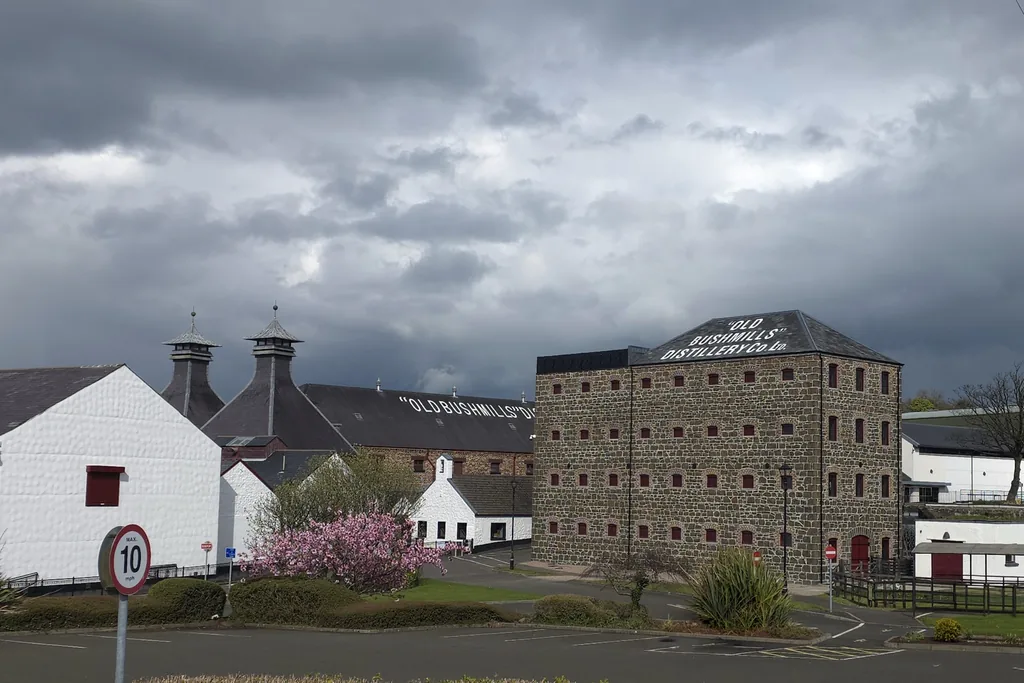
Beyond the distillery itself, Bushmills village is charming and walkable, making it a perfect stop along the Causeway Coastal Route. Combine your visit with nearby attractions such as the Giant’s Causeway, Dunluce Castle, and Ballintoy Harbour for a full day of exploring Northern Ireland’s natural beauty and heritage.
Old Bushmills Distillery Address: Distillery Road, Bushmills, County Antrim, BT57 8XH, Northern Ireland, UK
Opening Hours
March – October: 10:00 am – 6:00 pm
November – February: 10:00 am – 5:00 pm
Closed: 25 December & 1 January
Last tours: Usually 30–45 minutes before closing.
Tickets & Tours
Guided Distillery Tour & Tasting: Approx. £12–£20 per adult (varies by package)
Whiskey Tasting Experiences: Premium tours available, including rare whiskey tastings
Children under 18: Cannot participate in tastings but can join the guided tour
Booking: Advance booking online recommended, especially during peak season
Visitor Tips
Time Needed: Allow 1–2 hours for a full guided tour and tasting.
Photography: Most areas allow photos, but check signs in production zones.
Nearby Attractions: Combine your visit with the Giant’s Causeway, Dunluce Castle, or a scenic drive along the Causeway Coastal Route.
Shopping: The distillery shop offers exclusive bottles, souvenirs, and whiskey accessories.
Ireland’s oldest licensed whiskey distillery – since 1608
What to Expect on a Tour
Guided walk through mash houses, copper pot stills, and barrel stores.
Discover the grain-to-glass whiskey-making process.
Learn about coopering, aging, and the impact of different casks.
Enjoy a tasting of classic Bushmills blends or premium single malts.
Photo Stops
Heritage courtyard with stone buildings and vintage signage.
Copper stills (beautiful warm colours).
Distillery archway for that iconic Bushmills photo.
You can also make a stop at Portballintrae Village and take a stroll along the coast.
A peaceful, scenic way to end the day
This gentle trail follows the coastline between Bushfoot Strand and Dunluce Castle, offering a quieter, more tranquil alternative to the busier Causeway paths.
What You’ll See
Rolling dunes, sandy beaches and rocky outcrops.
Sea birds, surfers and sometimes seals just offshore.
Perfect sunset views with the silhouette of Dunluce Castle in the distance.
Photo Stops
Portballintrae Harbour – a beautiful curved bay.
Runkerry House viewpoint overlooking giant Atlantic waves.
Dunluce Castle at dusk – an unforgettable golden-hour shot.
Here are some hotel recommendations for Bushmills Village on your third day itinerary.
Alternatively, you could end your stay in Derry-Londonderry. But I think it’d be a great idea to end your day in Bushmills Village to make the most of your trip.
Now, if you’re feeling adventurous, you could take a scenic drive from Bushmills to Derry. The Causeway Coastal Route (A2) is a must-do. It takes you along the stunning coastline, with dramatic cliffs, beautiful beaches, and charming villages like Ballintoy and Portrush. You’ll reach Derry’s historic walls and Peace Bridge, which is a truly breathtaking sight. It’s a drive that’s known for its natural beauty and landmarks, so it’s definitely worth it.
Best for Comfort & Character
The Bushmills Inn – A charming 4 Star Boutique hotel in the heart of Bushmills with beautifully designed rooms, excellent dining, and a warm Irish welcome — ideal for couples or those after a classic stay with character.
The Causeway Hotel – Well‑reviewed mid‑range hotel right in Bushmills village, comfortable rooms and convenient location close to the distillery and local amenities.
Facebook
Pinterest
LinkedIn
WhatsApp
Northern Ireland Road Trip itinerary Day 4: Bushmills to Derry/Londonderry – Coastal Gems and Historic Towns
The enchanting avenue of beech trees that currently stands as a remarkable spectacle was planted centuries ago by the illustrious Stuart family in the eighteenth century.
The plantation of trees was intentionally meant as an impressive and breathtaking landscape feature that would entrance and amaze visitors as they journeyed to the entrance of their Georgian-styled mansion,
Morning: Depart Bushmills Village & Explore the rest of the Causeway Coast.
Start your day in Bushmills with a hearty breakfast at your hotel or B&B.
If you didn’t visit Old Bushmills Distillery earlier, consider a morning tour and whiskey tasting before hitting the road.
Depart Bushmills and head west along the Causeway Coastal Route, enjoying stunning cliffs, sea views, and quaint coastal villages.
Our first stop is Mussenden Temple and Downhill Demesne, a famous Instagram cliffside temple.
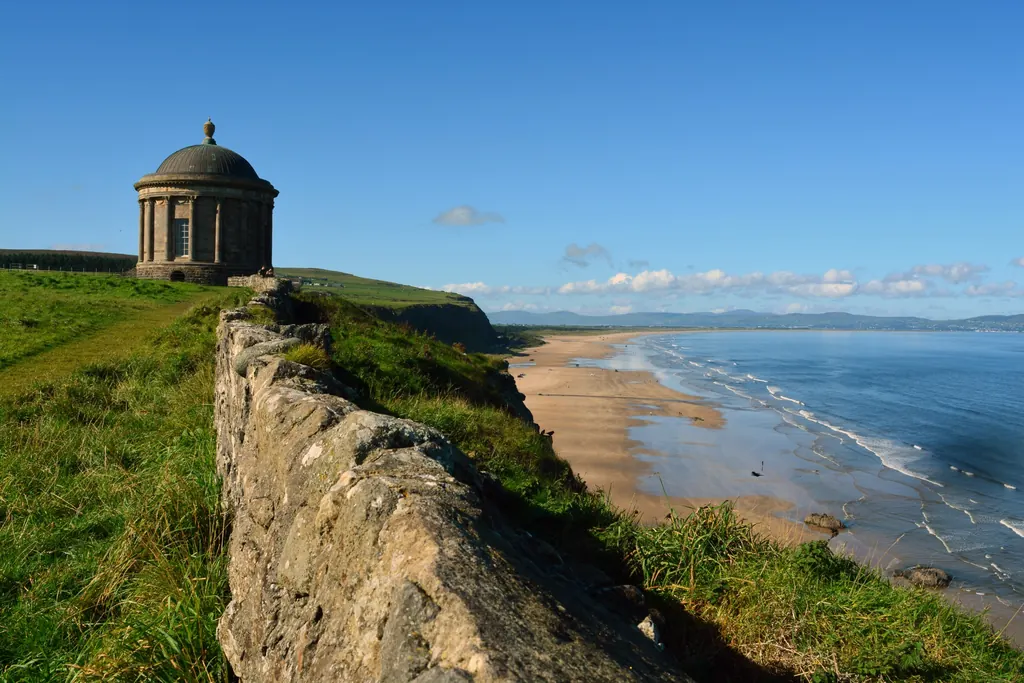
Perched dramatically on the edge of the Cliffs of Downhill, Mussenden Temple is one of Northern Ireland’s most picturesque and romantic landmarks. Built in 1785 as a library and inspired by the Roman Temple of Vesta, it offers breathtaking panoramic views of the Atlantic Ocean and Benone Strand, one of Ireland’s longest beaches.
The temple is part of the historic Downhill Demesne, a once-grand estate that features beautiful gardens, walking paths, and ruins of Downhill House. Exploring the demesne gives visitors a chance to wander through history, enjoy scenic cliff-top walks, and capture stunning photographs of the coastline.
This location is ideal for early morning or late afternoon visits, when the light enhances the dramatic cliffs and the Atlantic waters below. Whether you’re a photographer, a history enthusiast, or simply a lover of scenic views, Mussenden Temple and Downhill Demesne are must-stop highlights along the Causeway Coastal Route.
What to See & Do
Explore Downhill Demesne
Stroll through the vast clifftop estate once owned by Frederick Augustus Hervey, the flamboyant Earl Bishop. Wander past dramatic ruins, wild meadows, manicured lawns and panoramic viewpoints.
Breathtaking Cliff Walks
Take in the Atlantic coastline from cliff-edge paths that reveal spectacular beach vistas and rolling green landscapes.
Iconic Photo Spot
Although the interior of Mussenden Temple is not currently accessible, the exterior alone is striking — a perfect circular temple set against the ocean, ideal for stunning photos.
Visitor Information
Parking is available on-site (charges apply), and the walk to the temple is an easy, scenic route suitable for most visitors.
A Temple with a Story
Built in 1785, Mussenden Temple was designed as the Earl Bishop’s summer library, inspired by the ancient Temple of Vesta in Tivoli, Italy. It was dedicated to his beloved cousin, Frideswide Mussenden, adding a personal and romantic touch to the structure’s history.
Over time, coastal erosion threatened the temple as the cliff receded dramatically. In 1997, the National Trust carried out major stabilisation works, preserving this remarkable landmark for future generations.
Why Visit?
One of the most scenic viewpoints on the island of Ireland
A perfect photography and sunset location
Rich history, dramatic landscapes and peaceful walking trails
Close to other highlights of the Causeway Coastal Route
Visiting Hours
Open year-round (weather permitting)
Daylight hours recommended for visits and photography
No entry fee for the temple and grounds; donations welcome
Visitor Tips
Parking: Available near the demesne; space can be limited in peak season.
Walking: Short but steep paths lead down to viewpoints — wear sturdy shoes.
Photography: Early morning or late afternoon provides the best light for the cliffs and Atlantic views.
Nearby Stops: Combine with Castlerock Beach, or continue west toward Derry/Londonderry along the scenic coastal road.
Address: Mussenden Temple & Downhill Demesne Castlerock, County Londonderry, BT51 4TP.
Derry Walls Public Walking Tour: Step Back in History
Explore the historic walled city of Derry-Londonderry with the Derry Walls Public Walking Tour, an engaging way to uncover the city’s rich heritage. The walls, built in the 17th century, are among the best-preserved city fortifications in Europe, offering a unique combination of history, architecture, and panoramic views.
During the tour, you’ll learn about Derry’s turbulent past, including the Siege of Derry, the city’s strategic importance, and the stories of the people who lived here through centuries of conflict. Knowledgeable guides provide insights into the city’s murals, historic gates, and bastions, turning a simple walk into a living history lesson.

Walking along the ramparts gives visitors a bird’s-eye view of the River Foyle, Peace Bridge, and city streets below, making it both educational and visually stunning. It’s ideal for history enthusiasts, photographers, and travellers wanting an immersive experience of Derry.
Take part in a Martin McCrossan Tour daily at 10 am, 12 noon, 2 pm and 4 pm. Cost £6pp – No need to book, just show up!
Meeting Point / Address
The Tours start at 11 Carlisle Road and look for the guide dressed in yellow.
City Walls: Walking path is looped and self-contained, about 1.5 km around the old city.
Tour Times
Daily: Varies seasonally; usually 10:00 am – 4:00 pm
Duration: Approx. 1 hour for the full loop with commentary
Best Photo Spots
Double Bastion – sweeping views over the Bogside
Shipquay Gate – classic shot down Shipquay Street
Magazine Gate – dramatic angle showing cannon rows
Derry Guildhall: A Masterpiece of History and Architecture
The Guildhall is one of Derry/Londonderry’s most iconic landmarks, renowned for its stunning neo-Gothic architecture, stained glass windows, and rich history. Built in 1890 and beautifully restored after periods of conflict, the Guildhall serves as a cultural and civic hub, hosting concerts, exhibitions, and events.
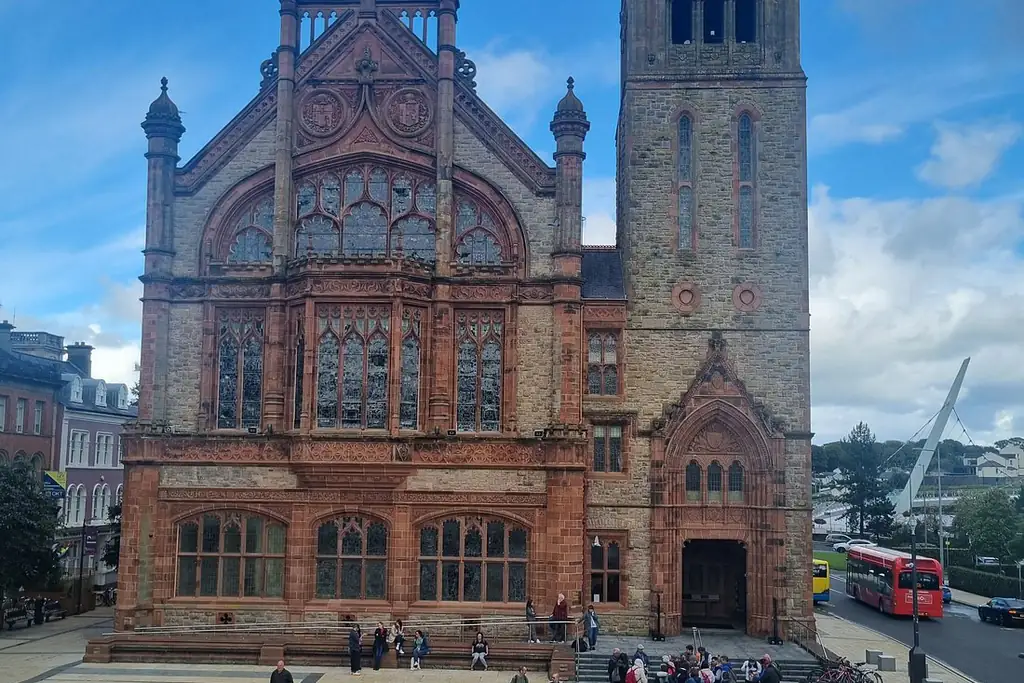
Visitors can explore the building’s grand interior, admire the intricate stained glass depicting Derry’s history, and learn about the city’s past through informative displays. The Guildhall also offers guided tours, providing insights into the city’s political and cultural heritage and the building’s role during pivotal moments in Derry’s history.
Located close to the city walls and Peace Bridge, the Guildhall is an ideal stop for anyone wanting to combine history, architecture, and culture on a walking tour of Derry.
Guildhall Address: Guildhall Square, Derry/Londonderry, BT48 6BJ Northern Ireland, UK
Opening Hours
Monday – Saturday: 09:00 am – 5:00 pm
Sunday: 12:00 pm – 4:00 pm
Guided Tours: Usually available on request; check ahead for seasonal schedules
Visitor Tips
Photography: The stained glass windows and neo-Gothic architecture are spectacular, especially in natural light.
Combine Stops: Walk to the city walls, Peace Bridge, and Bogside murals — all within a short distance.
Events: Check for concerts or exhibitions, which can add a unique experience to your visit.
Accessibility: The Guildhall is wheelchair accessible, with ramps and lifts for most areas.
Why Visit
Beautiful stained-glass windows telling the story of Derry
A free exhibition on the city’s Plantation history
The impressive Great Hall, with a magnificent organ and intricate woodwork
Photo Stop: Step outside to capture Guildhall reflected on the riverfront paving after rain—very atmospheric.
Peace Bridge: Connecting History and Modern Derry
The Peace Bridge is an elegant pedestrian and cycle bridge spanning the River Foyle, symbolising the city’s reconciliation and connection between the historic walled city and the modern Waterside district. Opened in 2011, its striking, curved, white design has become one of Derry’s most photographed landmarks.
Walking or cycling across the bridge gives visitors panoramic views of the river, cityscape, and surrounding hills. It’s not only a functional crossing but also a symbol of Derry’s resilience and progress, blending modern architecture with the city’s rich history.
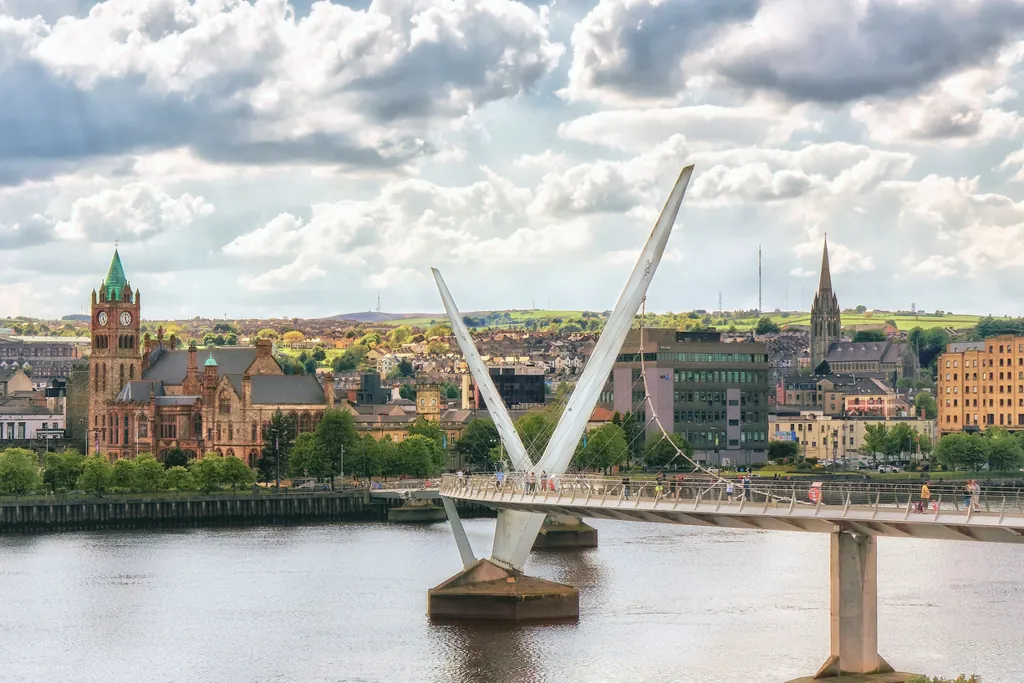
The Peace Bridge is perfect for a short stroll or photography stop, especially during sunrise or sunset when the light reflects beautifully on the river. It’s also an ideal connector if you plan to visit Bogside Murals, the Guildhall, or the city walls on foot.
Address
Peace Bridge: River Foyle, Derry/Londonderry, Northern Ireland, UK
Visiting Hours
Open 24 hours a day, year-round
Free to walk or cycle
Visitor Tips
Photography: Sunset and night-time lights create stunning photo opportunities.
Combine Stops: Cross the bridge from the city walls or Guildhall to explore the Waterside area.
Walking & Cycling: The bridge is wide and accessible for all ages; bikes and wheelchairs are welcome.
Nearby Cafés: Waterside has local cafés where you can rest and enjoy river views.
An architectural symbol of reconciliation that curves elegantly across the River Foyle.
Best For
Quiet riverside walks
Beautiful sunrise reflections
Capturing the bridge with the city’s skyline
Photo Stop: Mid-way along the bridge looking towards the Peace Flame sculpture.
Free Derry Museum Exploring the City’s Modern History
The Free Derry Museum is a must-visit for anyone wanting to understand the recent history of Derry/Londonderry and the events of The Troubles. Located in the heart of the Bogside neighborhood, the museum provides a moving and educational experience, featuring photographs, artifacts, and personal stories from the era of civil unrest that shaped the city.
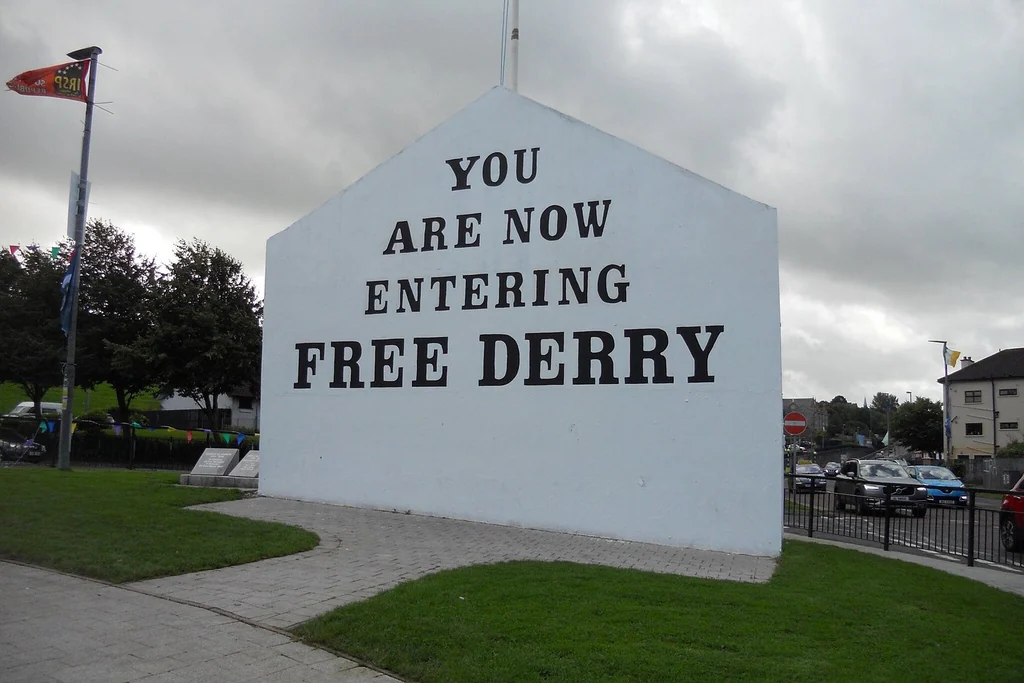
Visitors can explore the museum’s exhibits to learn about key events, including Bloody Sunday, the civil rights movement, and the community struggles that led to Derry declaring itself a “Free Derry” zone. The museum is informative, accessible, and respectful, offering insight into the resilience and spirit of the local community.
Located near the famous Bogside Murals and within walking distance of the city walls, the Free Derry Museum is a perfect addition to a Derry walking tour.
Free Derry Museum Address:
Corner of Lecky Road & William Street, Bogside, Derry/Londonderry, BT48 7EN Northern Ireland, UK
Opening Hours
Monday – Saturday: 10:00 am – 5:00 pm
Sunday: 12:00 pm – 4:00 pm
Admission: Free
Guided tours: Available on request
Visitor Tips
Photography: Interior photos may be restricted — check signage.
Combine Stops: Explore the Bogside Murals immediately after your museum visit to contextualize the artwork.
Accessibility: The museum is wheelchair accessible with ramps and level flooring.
Timing: Allow 30–45 minutes to explore the exhibits in depth.
Bogside Murals (“The People’s Gallery”)
Twelve powerful murals painted by the Bogside Artists telling the story of the civil rights movement and The Troubles.
Highlights
“The Petrol Bomber”
“Bloody Sunday”
“Bernadette Devlin”
These murals are moving, powerful visual stories—best visited with context from a local guide.
Photo Stop: The Free Derry Corner, one of the city’s most iconic images.
Lunch Recommendation
Browns in Town – Modern Irish cuisine, excellent seafood
Pyke ’N’ Pommes – Street food by the river, famous for burgers and fish tacos
Northern Ireland Road Trip itinerary Day 5 - Return to Belfast via the Sperrin Mountains
Ancient landscapes, peaceful valleys & hidden gems of Northern Ireland’s heartland
Your final day leads you through one of Northern Ireland’s most underrated regions—the Sperrin Mountains, an Area of Outstanding Natural Beauty known for its wide-open skies, rolling golden hills, and ancient archaeological treasures. It’s a peaceful, scenic return to Belfast filled with nature, culture, and a few unforgettable surprises.
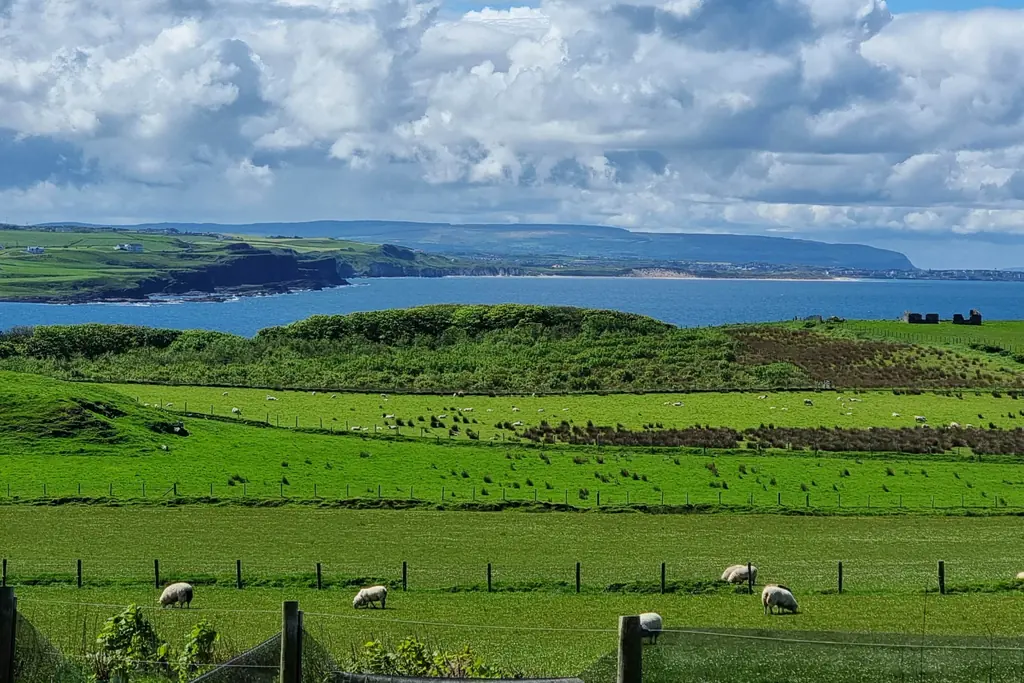
Morning: Depart Derry-Londonderry
Begin your journey east leaving the historic walls of Derry behind. As you head toward the Sperrins, the landscape begins to open up—lush farmland giving way to rugged heather moorland and sweeping valleys. The drive itself is a highlight, with dramatic skylines and twisting mountain roads perfect for photography.
Photo Stop Recommendations:
River Foyle viewpoint – early-morning mist is common and beautiful
Strabane countryside – rolling hills with traditional stone farmhouses
Gortin Glen Forest Park
Walking trails • Wildlife • Scenic viewpoints
Your first major stop brings you to Gortin Glen Forest Park, a picturesque forested oasis sitting at the foothills of the Sperrins. Depending on your pace, you can enjoy:
The Scenic Drive
A beautiful 8 km one-way route filled with stopping points overlooking mountain ridges, waterfalls, and forest canopies.
Short Walk Options
The Pollan Trail – gentle forest loop
The Scenic Trail – hilltop viewpoints with panoramic photo opportunities
The Forest Lakes – home to ducks, herons, and peaceful picnic spots
Photo Opportunities:
Forest waterfalls
Hilltop panoramas
Deer spotting areas
Beaghmore Stone Circles
Ancient ritual site • Megalithic monuments • Atmospheric & mysterious
Next, travel deeper into the mountains to discover one of Ireland’s most fascinating archaeological landscapes: the Beaghmore Stone Circles.
Dating back around 4,000 years, this collection of seven stone circles and standing stones lies quietly on a remote stretch of bogland. The site is untouched, atmospheric, and remarkably photogenic—especially under dramatic skies.
What makes it special:
Built during the Bronze Age
Possible ritual and astronomical significance
Alignments with sunrise and seasonal light
No crowds—just silence, nature, and history
Perfect for:
Wide-angle photography
Drone filming (if permitted)
Storytelling and exploring Ireland’s ancient past
Lunch in the Sperrins
Choose between cosy local options:
The Shepherd’s Rest (near Draperstown)
A rustic pub surrounded by mountain scenery—try the homemade soups, steak pie, or soda bread.
The Ponderosa Bar & Grill
Ireland’s highest bar!
Expect sweeping views, hearty comfort food, and a memorable photo stop on the mountain pass.
Scenic Drive Through the Sperrin Valleys
After lunch, enjoy one of the most beautiful drives in Northern Ireland—quiet, winding roads through glens, peat bogs, and rolling summits.
Key photo stops:
Barnes Gap – a dramatic narrow mountain pass
Sawel Mountain viewpoint – one of the highest points in the Sperrins
Glenelly Valley – known as “the longest and most scenic valley in Ulster”
Wild Atlantic-to-Irish Sea divide
This region is known for golden light in the afternoons, making it ideal for photography.
Optional Stop: Dart Mountain Cheese / Local Craft Producers
Depending on time, you can stop at a small artisan producer for local cheeses, chocolates, or traditional crafts—perfect souvenirs before returning to the city.
Return to Belfast
As the mountains fade behind you, journey back into Belfast, arriving in the late afternoon or early evening. Whether you continue exploring the capital or settle in for a relaxing evening, your day through the Sperrin Mountains ends with a sense of calm and connection to one of Ireland’s most peaceful landscapes.
Have Questions About Your Northern Ireland Road Trip? We’re Here to Help!
Planning a Northern Ireland Road Trip can be exciting, but we know it can also bring questions about routes, attractions, or how to make the most of your journey. Whether you’re a first-time visitor or a seasoned traveller, our team is here to guide you through every step of your adventure.
Expert Advice on Your Road Trip Itinerary
Not sure how to structure your Northern Ireland Road Trip Itinerary? We can help you design the perfect day-by-day plan, highlighting must-see attractions, scenic drives, and hidden gems along the way. From the Giant’s Causeway to the Mourne Mountains, we’ll make sure you don’t miss a thing.
Tips for a Safe and Enjoyable Self-Drive
Taking a Northern Ireland self-drive is one of the best ways to explore the country at your own pace. We provide practical tips on driving routes, road conditions, parking, and local regulations so you can enjoy a stress-free and memorable journey.
Discover the Best Scenic Drives
Experience the breathtaking beauty of Northern Ireland with our advice on Northern Ireland Scenic Drive routes. From rugged cliffs and sparkling beaches to lush forests and rolling hills, we’ll guide you to the most picturesque spots along your trip.
Let Us Help You Plan the Best Northern Ireland Road Trip
We’re dedicated to helping you create the best Northern Ireland Road Trip possible. Don’t hesitate to reach out with any questions, no matter how big or small. Contact us today, and let us help you plan an unforgettable adventure filled with stunning landscapes, historic landmarks, and charming towns.
Northern Ireland Road Trip – FAQs
What is the best time of year for a Northern Ireland road trip?
Late May to September offers the best weather and longer daylight hours. Spring and early autumn are quieter but still beautiful. Winter is scenic but expect shorter days and changeable weather.
How many days do I need for a Northern Ireland road trip?
Five days is ideal to see Belfast, the Causeway Coast, Derry, and the Sperrin Mountains without rushing. Three days works for highlights only. Seven days allows a slower pace.
Do I need a car for a Northern Ireland self-drive itinerary?
Yes. Public transport does not reach many coastal and rural highlights. A rental car gives you flexibility to explore scenic routes and hidden gems properly.
Is it easy for visitors to drive in Northern Ireland?
Yes. Roads are well maintained and clearly signposted. You drive on the left, and distances are short. Most major attractions have parking available.
What are the must-see attractions on a Northern Ireland road trip?
Giant’s Causeway, Carrick-a-Rede Rope Bridge, Dunluce Castle, the Dark Hedges, Titanic Belfast, and the Causeway Coastal Route are essential highlights.
What is the most scenic drive in Northern Ireland?
The Causeway Coastal Route between Belfast and Derry is the most famous. The Torr Head Scenic Drive and the Sperrin Mountains route are also incredibly beautiful.
Can I combine Northern Ireland with the Republic of Ireland on one trip?
Yes. You can easily extend your road trip into Donegal or Dublin. There are no border checkpoints, but currency changes from pounds to euros.
Popular Bars to Visit in Belfast
The Crown Liquor Saloon
The Duke of York
The Dirty Onion
The Spaniard
Lavery’s
The Perch
We’re here to help! If you can’t find the information you’re looking for about your Northern Ireland Road Trip, or if you simply have a question—no matter how unusual—don’t hesitate to get in touch.
Whether you need route advice, travel tips, or help planning your journey around Northern Ireland, our team is always happy to assist.
Private Tours in Belfast and Northern Ireland
Belfast Tours NI provides private, chauffeur-led tours and tailored day trips across Northern Ireland and Ireland. From walking Belfast’s historic streets to visiting the Giant’s Causeway or enjoying a relaxed shore excursion from the Belfast Cruise Terminal, each day is planned around your schedule and interests.
Travel is comfortable and unhurried, with a local guide who offers context, insight, and thoughtful routes rather than a scripted commentary. The focus is on understanding the places you visit and enjoying the journey in between.
We work alongside trusted hotels and accommodation partners to ensure a smooth, reliable experience from start to finish. Careful planning, punctuality, and attention to detail are part of every tour.
Each itinerary is personalised, whether you’re drawn to coastal scenery, historic castles, cultural landmarks, or well-known filming locations. For both leisure travellers and cruise guests, Belfast Tours NI offers a calm, well-organised way to experience the region.
Planning a private tour of Northern Ireland? ➔ Get in touch to discuss your ideas.
Connect with Us
Belfast Tours NI provides a wide range of resources to help visitors plan the perfect trip to Belfast and Northern Ireland. Our blog features expert guides on the best things to see and do, along with insider tips designed to help you make the most of your visit and create truly unforgettable experiences.
We also invite you to explore our social media channels, where you’ll find even more travel inspiration, local insights, and up-to-date recommendations. With our knowledgeable team guiding you every step of the way, you’ll have all the tools and advice you need to fully immerse yourself in the culture, history, and iconic attractions of Ireland.
Facebook
Pinterest
LinkedIn
WhatsApp