

Northern Ireland Travel Guide: Plan Your First Trip Like a Local
Picture the morning you set off up the coast from Belfast, with the Irish Sea on your right, the glens rising on your left and a whole country ahead of you that is small enough to cross before lunch. The Giant’s Causeway is about 60 miles north of the city, Derry is about 70 miles to the northwest, and the Mourne Mountains are little more than 30 miles to the south. This Northern Ireland travel guide is for the trip before all of that, the planning that decides whether those miles feel easy or rushed.
Northern Ireland is part of the United Kingdom, and it has been since the island of Ireland was partitioned in 1921. It shares the island with the Republic of Ireland, which is a separate country with its own currency, its own speed limits and its own entry rules. Most people cross the border without noticing it, because there are no checks on the road. The rules still change the moment you do, and that catches out more first-time visitors than anything else.
There are a few other catches worth knowing early. Visitors from the United States and Canada now need an electronic travel authorisation before they fly, and that applies even if you drive up from Dublin. The coast roads look short on a map and take far longer in real life. Summer accommodation on the north coast is limited, and it goes early.
I have been running private tours from Belfast for nine years, and the questions below are the ones I hear every season. If you are visiting Northern Ireland for the first time, I cover getting here, the ETA, money, driving on the left, getting around without a car, how many days you need and where to sleep, the weather, safety and the main regions. Where we have a detailed guide to a place, I have linked it rather than repeat it here.
Table of Contents
Toggle
Getting to Northern Ireland: Airports, Dublin and the Ferries
Most visitors arrive by air, and there are two airports serving Belfast. They suit different trips, so it is worth knowing which one your flight uses before you plan the first evening.
George Best Belfast City Airport
Belfast City Airport sits on the shore of Belfast Lough, and the airport itself calls it a five minute hop to the city centre. The Airport Express 600 bus runs to Belfast Grand Central Station every 20 minutes at peak times, and the journey takes around ten minutes. Of the two, it is by far the closer to the city.
Belfast International Airport
Belfast International is 18 miles north west of the city, near Antrim, and it carries most of the longer and low cost routes. By road you take the M2 north, leave at Junction 5 and follow the A57. The Airport Express 300 bus runs into Belfast seven days a week, every 15 minutes at peak times on weekdays.
Flying into Dublin and travelling north to Belfast
Many visitors from the United States and Canada fly into Dublin, because it has the widest choice of transatlantic flights. Tourism Northern Ireland puts the travel time from Dublin Airport to Northern Ireland at under two hours, and Belfast is about 100 miles away by road. If you would rather take the train, the Enterprise leaves Dublin Connolly for Belfast Grand Central every hour, 15 times a day Monday to Saturday and eight times on a Sunday, stopping at Newry and Portadown on the way.
Arriving in Northern Ireland by ferry or cruise ship
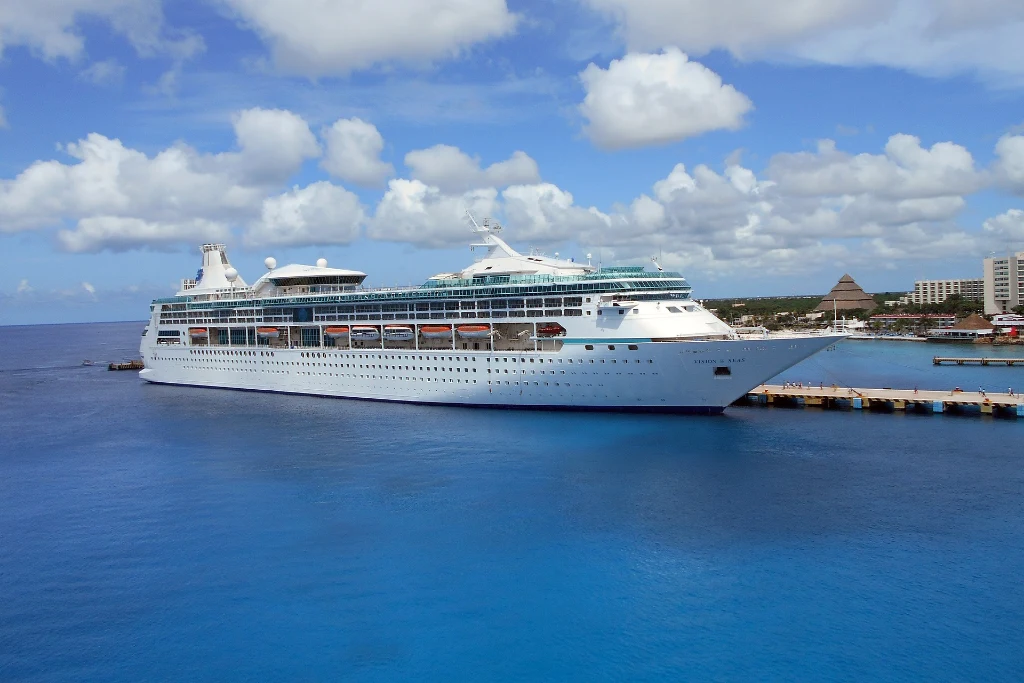
From Scotland, Stena Line sails from Cairnryan to Belfast and P&O Ferries sails from Cairnryan to Larne. From England, Stena Line runs a route from Liverpool to Belfast. If you are coming in on a cruise ship, your hours ashore are fixed, and our Belfast cruise port guide explains how the terminal works. For anyone landing at any of these and not wanting to drive, a chauffeur service is the easiest way into the city with your luggage.
Northern Ireland Travel Requirements: The ETA for US and Canadian Visitors
This is the section to read twice. The ETA for Northern Ireland is the same as the ETA for the rest of the United Kingdom, because Northern Ireland is part of the UK. If you hold a passport from the United States or Canada, you need one before you travel, and you apply for it online.
What the Northern Ireland ETA is and how much it costs
An electronic travel authorisation, or ETA, costs £20 and lets you visit the UK for up to six months at a time. It is linked electronically to your passport and lasts for two years, so one ETA covers several trips in that time. Every person travelling needs their own, including babies and children. You apply through the official UK government ETA page, and I would suggest doing it as soon as your flights are booked rather than in the week you leave.
Travelling from the Republic of Ireland into Northern Ireland
There are no immigration controls on the land border between the Republic of Ireland and Northern Ireland. Tourism Northern Ireland is clear that the ETA is still mandatory, and will be strictly enforced, for everyone arriving into or travelling through the UK who does not need a visa. Driving or taking the train up from Dublin does not exempt you. Ireland has its own entry rules for the part of your trip spent in the Republic, so check those separately with the Irish authorities.
Who does not need a UK ETA
You do not need an ETA if you hold a British or Irish passport, or if you already have a UK visa or permission to live, work or study in the UK. Visitors from Great Britain are travelling within their own country, so there is no passport control on flights or ferries from England, Scotland or Wales. Airlines and ferry companies do ask for photo identification, though, so check what your carrier accepts before you go.
These rules have changed more than once in the last few years. Check the official page close to your departure date, even if you have read this guide.
Money in Northern Ireland: Pounds, Cards and Unfamiliar Banknotes
Northern Ireland uses the pound sterling, the same currency as the rest of the UK. The Republic of Ireland uses the euro. If your trip takes in both, you will be handling two currencies within a few miles of each other, and the change happens at the border without any sign to tell you.
Can you use euro in Northern Ireland?
Do not rely on it. Some larger stores accept euro, but a charge may apply and the exchange rate is rarely in your favour. Tourism Northern Ireland advises visitors to bring sterling, because smaller businesses may not accept euro at all. In a village café on the coast or at a car park machine, euro coins are not going to help you.
Northern Ireland banknotes, and why they look different
This one surprises almost everybody. Three banks in Northern Ireland issue their own sterling banknotes: Bank of Ireland, Danske Bank and Ulster Bank. They are legal sterling and are used everywhere here, but they look nothing like the Bank of England notes you may know. Shops in Great Britain sometimes hesitate over them, so if you are heading on to London or Edinburgh, it is worth spending them before you leave.
Paying by card, carrying cash and tipping
Cards, including contactless and phone payments, are accepted in most places, from city restaurants to coastal attractions. I would still carry a little cash for small cafés, honesty boxes at harbours and the odd rural car park. Tipping is not compulsory. If no service charge has been added to the bill and you are happy with the service, Tourism Northern Ireland suggests 10 to 15 per cent as a guide.
One last point for visitors from North America. Prices in shops include VAT, so the figure on the label is what you pay at the till.

Driving in Northern Ireland: The Left, Miles and Narrow Roads
Driving in Northern Ireland is straightforward once you have adjusted to the left side of the road, and the main roads are good. The coast roads are a different matter, and they are where most of the sightseeing is. Here is what is worth knowing before you book a hire car.
Road rules and speed limits in Northern Ireland
You drive on the left, and hire cars are right hand drive. Speed limits here are shown in miles per hour, while across the border in the Republic they are metric, which catches people out on cross border days. The usual limits are 30 mph in built up areas, 60 mph outside them, and up to 70 mph on motorways and dual carriageways. Lower 20 mph limits are increasingly common in towns. Seat belts are compulsory for everyone in the car, and using a hand held phone while driving is illegal.
Driving with a US or Canadian licence
According to the Northern Ireland government’s own guidance, a visitor with a full licence from outside the EU, such as a US or Canadian licence, may drive a car here for up to 12 months from the date of coming into the UK. A provisional or learner licence issued abroad is not valid. Hire companies set their own age rules and extra charges, so check those when you book.
Hiring a car, manual or automatic
Manual gearboxes are far more common here than in North America, so if you only drive an automatic, ask for one specifically and book early, especially for July and August. If you plan to cross into the Republic, check that your hire agreement allows it and whether a fee applies, because the companies differ.
Why coast journeys take longer than the map suggests
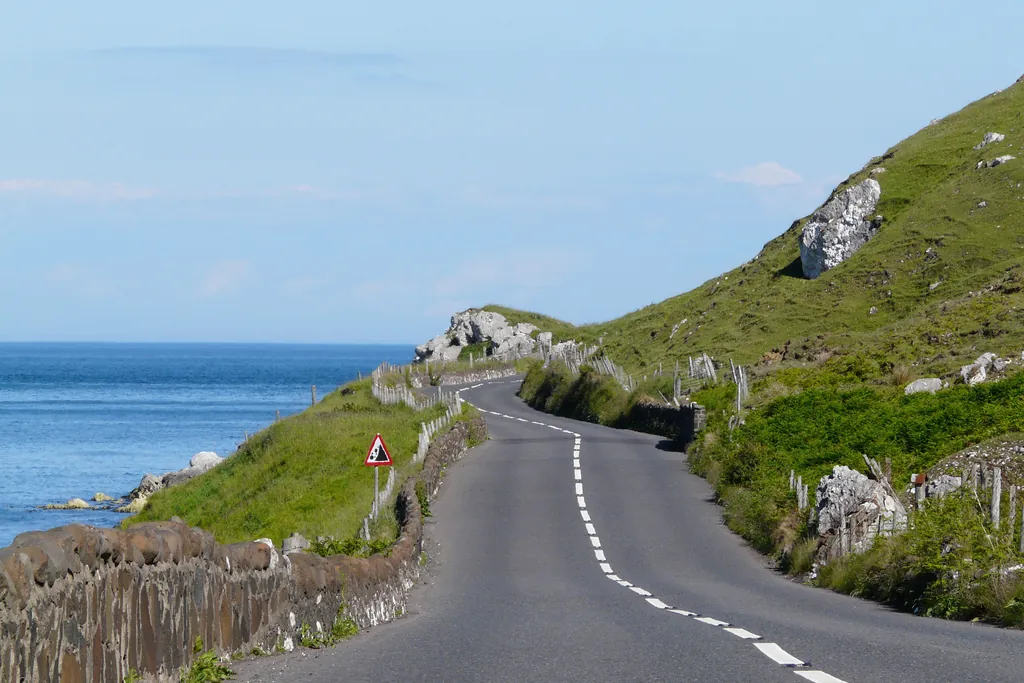
The Causeway Coastal Route runs about 120 miles between Belfast and Derry, and on a map it looks like a morning. The road is narrow in places, it winds round every headland, and in summer you share it with tour coaches, cyclists and farm traffic. The driver also sees least of the view. That is the main reason so many visitors choose to leave the driving to someone else for the coast days, and our Northern Ireland road trip guide has more on the route itself.
Getting Around Northern Ireland Without a Car
You can see a good part of Northern Ireland without driving, as long as you plan around what public transport does well and accept what it does not. Translink runs the trains and most of the buses, and its journey planner is the place to check every time and connection.