

Top 5 Attractions in Belfast
Written by Murat Yilmaz
Last updated: January
Belfast, the capital of Northern Ireland, is a city shaped by shipbuilding, political history, culture, and resilience. Once known globally for The Troubles, today Belfast is a confident, welcoming city that blends historic landmarks with modern creativity.
Visitors are often surprised by how compact and walkable the city centre is. Within a short distance, you can explore grand civic buildings, powerful political murals, Victorian pubs, maritime heritage, and scenic hilltop viewpoints overlooking Belfast Lough.
If you are visiting for the first time and want to focus on the highlights, here are the top 5 attractions in Belfast that offer the best introduction to the city.
Table of Contents
International Wall Murals & Falls Road
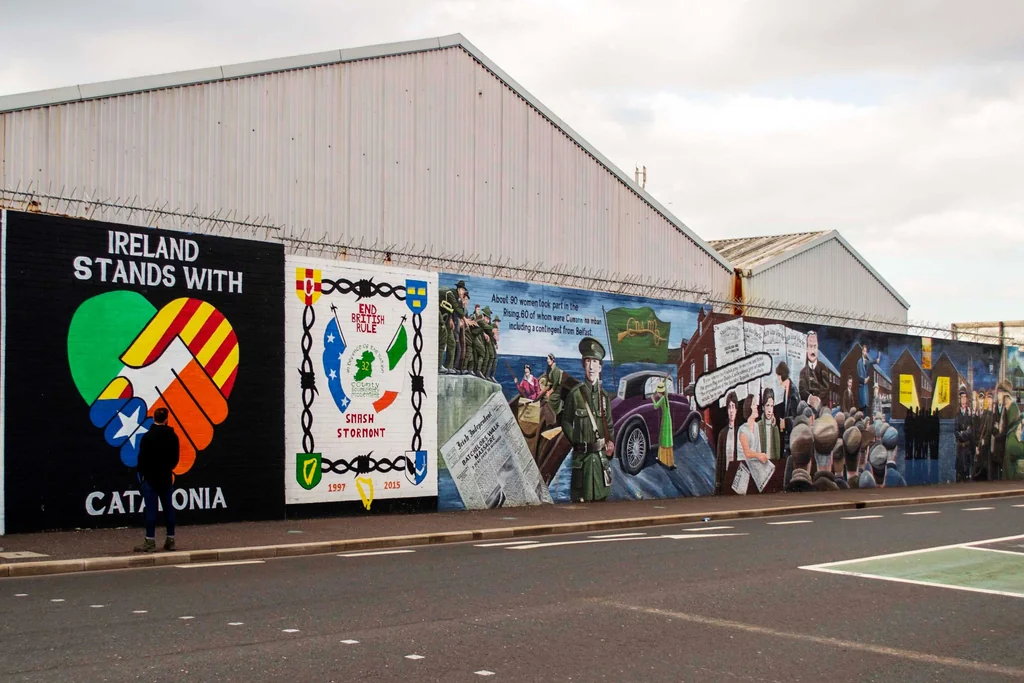
The International Wall Murals on Falls Road are among the most powerful and historically significant attractions in Belfast.
Located in West Belfast near the Peace Wall, this open-air gallery reflects not only Northern Ireland’s complex past but also global political struggles. Unlike many murals that focus exclusively on The Troubles, the International Wall highlights international solidarity movements, including civil rights campaigns, anti-apartheid activism, and other global causes.
Walking along Falls Road, visitors encounter murals that commemorate key events, community leaders, and political milestones. The artwork changes regularly, meaning no two visits are the same. Some murals are repainted to reflect current events, making this one of the most dynamic cultural spaces in the city.
Why It Matters
It provides context to Belfast’s modern identity
It connects local history with global movements
It demonstrates how art became a voice during conflict
For visitors who want to understand Belfast beyond surface-level sightseeing, this area offers essential insight.
Belfast Castle – Cave Hill Landmark

Perched on the slopes of Cave Hill Country Park, Belfast Castle offers some of the best panoramic views in the city.
The current castle dates back to the 1860s and was built in the Scottish Baronial architectural style. Although the original Norman castle stood elsewhere, this Victorian structure has become one of Belfast’s most recognisable landmarks.
From the gardens, visitors can look out over Belfast Lough and the city skyline. On clear days, the views stretch far along the coastline.
Best Things to Do in Belfast
Explore the landscaped gardens and the famous “Cat Garden”
Follow walking trails up Cave Hill
Visit the small exhibition area and visitor centre
Enjoy a coffee while overlooking the city
Cave Hill itself is said to have inspired Jonathan Swift’s Gulliver’s Travels, as its profile resembles a sleeping giant.
Belfast Castle is ideal for visitors who want to combine history, scenery, and a break from the busy city centre.
Belfast Castle – A Historic Landmark on Cave Hill

Belfast City Hall
Belfast City Hall stands proudly in Donegall Square and remains one of the city’s architectural highlights.
Completed in 1906, the building symbolised Belfast’s rise as an industrial powerhouse. At the time, the city was known worldwide for its linen production, rope-making, tobacco industry, engineering, and shipbuilding.
The grand Portland stone façade and copper dome dominate the skyline, while the surrounding gardens feature several memorials, including the Titanic Memorial Garden.
What to Expect
Free guided tours of the interior
The impressive marble Rotunda
The Council Chamber
Exhibitions on Belfast’s civic history
City Hall is both a landmark and an excellent starting point for exploring the city centre.
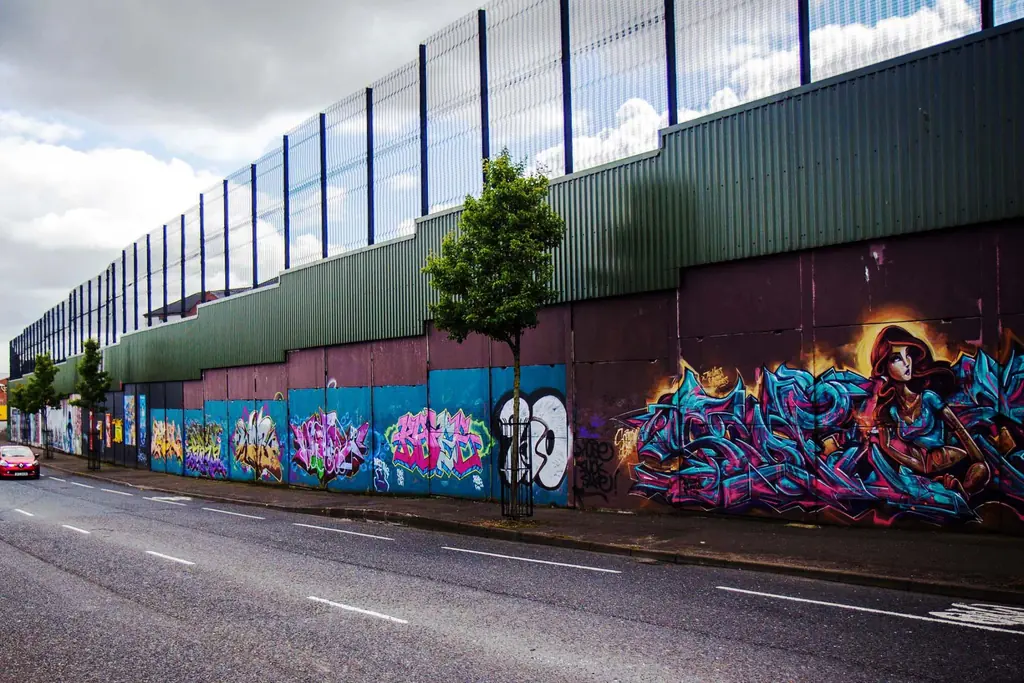
Belfast Peace Wall
The Peace Walls were first erected in 1969 during the early years of The Troubles as temporary barriers between nationalist and unionist communities. Over time, they became larger and more permanent.
One of the most well-known sections separates Falls Road and Shankill Road in West Belfast. Gates along the wall are still closed at night.
Today, the walls are covered in murals reflecting identity, remembrance, and political history. Some sections allow visitors to write messages of peace.
Why Visit?
To understand the realities of Belfast’s divided past
To see powerful street art and memorial murals
To gain perspective on the peace process
Visiting the Peace Wall is not just about seeing a structure, it’s about understanding how far the city has come.
Titanic Belfast Experience
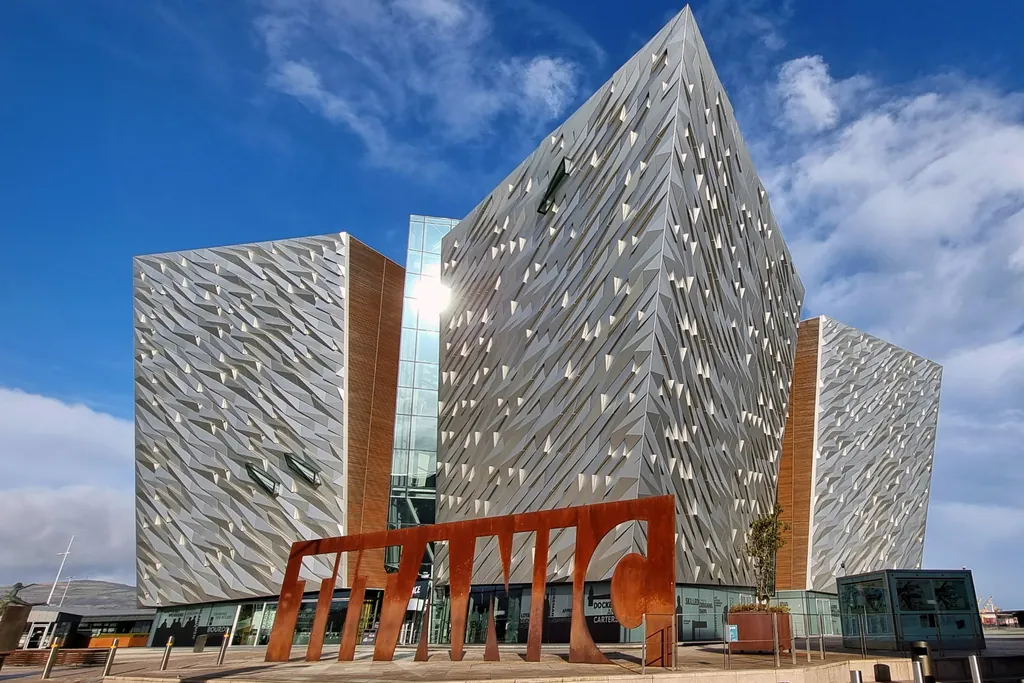
Titanic Belfast is the city’s most famous attraction and one of the most visited landmarks in Northern Ireland.
Located in the Titanic Quarter on the site of the former Harland & Wolff shipyard, the museum tells the story of RMS Titanic, from construction to launch, voyage, and tragic sinking.
Opened in 2012, the building itself is designed to reflect Belfast’s maritime heritage, with its striking exterior symbolising ship prows.
Inside the Experience
Interactive galleries on Belfast’s shipbuilding industry
A recreation of shipyard working conditions
Stories of passengers and crew
Exploration of the Titanic’s legacy
Nearby, visitors can also tour SS Nomadic, the last remaining White Star Line vessel.
Titanic Belfast offers a comprehensive understanding of how shipbuilding shaped the city’s identity.
Final Thoughts: Why These 5 Attractions Matter
These five attractions provide a balanced introduction to Belfast:
Political and social history
Maritime heritage
Architecture and civic pride
Scenic viewpoints
Cultural expression
Belfast is a city best understood through its stories, and these locations tell them clearly.
Whether you explore independently or with a guide, taking time to understand the context behind what you’re seeing will make your visit far more meaningful.
If you would rather have a local guide take you round them, that is what our Belfast City Tour does.
Follow Us for Tour Updates & Travel Inspiration
Follow us for travel inspiration, local insights, and real moments from our private tours across Northern Ireland. Stay updated with new experiences, seasonal highlights, and guest stories.
About Belfast Tours NI

Belfast Tours NI is a local tour company for travellers who want a personal, relaxed way to explore Northern Ireland, offering private tours, tailored itineraries, and local insight to help you plan a memorable visit.
Frequently Asked Questions About the Top 5 Attractions in Belfast
What is the best time to visit Belfast?
The best time to visit Belfast is between May and September, when the weather is milder and daylight hours are longer. Summer is ideal for walking tours and exploring outdoor attractions like Cave Hill and the Peace Walls.
Can you visit Belfast without a car?
Yes. Belfast city centre is compact and walkable. Most top attractions, including Titanic Belfast and City Hall, are easy to reach on foot or by taxi.
Are Belfast’s political murals safe to visit?
Yes, the mural areas are safe to visit during the day. Many visitors explore the Peace Walls and Falls Road with a local guide to better understand the history behind the artwork.
Is Belfast good for first-time visitors to Northern Ireland?
Yes. Belfast is often the starting point for visitors to Northern Ireland. It offers a strong introduction to the region’s history, culture, and access to the Causeway Coast.
Is Titanic Belfast worth visiting?
Yes. Titanic Belfast is one of the most popular attractions in Northern Ireland and is widely considered a must-see for visitors interested in maritime history.
What is the best way to see Belfast in one day?
The best way to see Belfast in one day is to visit Titanic Belfast, explore the city centre around City Hall, and take a guided mural or political history tour.
Connect with Us
Belfast Tours NI offers a range of resources to help visitors plan a trip to Belfast, Northern Ireland. Our blog post highlights the best things to do in the area and provides insider tips to ensure visitors have an unforgettable experience.
We encourage you to explore our social media channels as well, where you can find additional information and travel inspiration. Trust our team of experts to guide you through the planning process and provide you with the tools you need to fully immerse yourself in the culture and attractions of Ireland.
Facebook
Pinterest
LinkedIn
WhatsApp